
➜ Dirt Work & Earthmoving
DIRT WORK & EARTHMOVING IN Moses Lake, WA
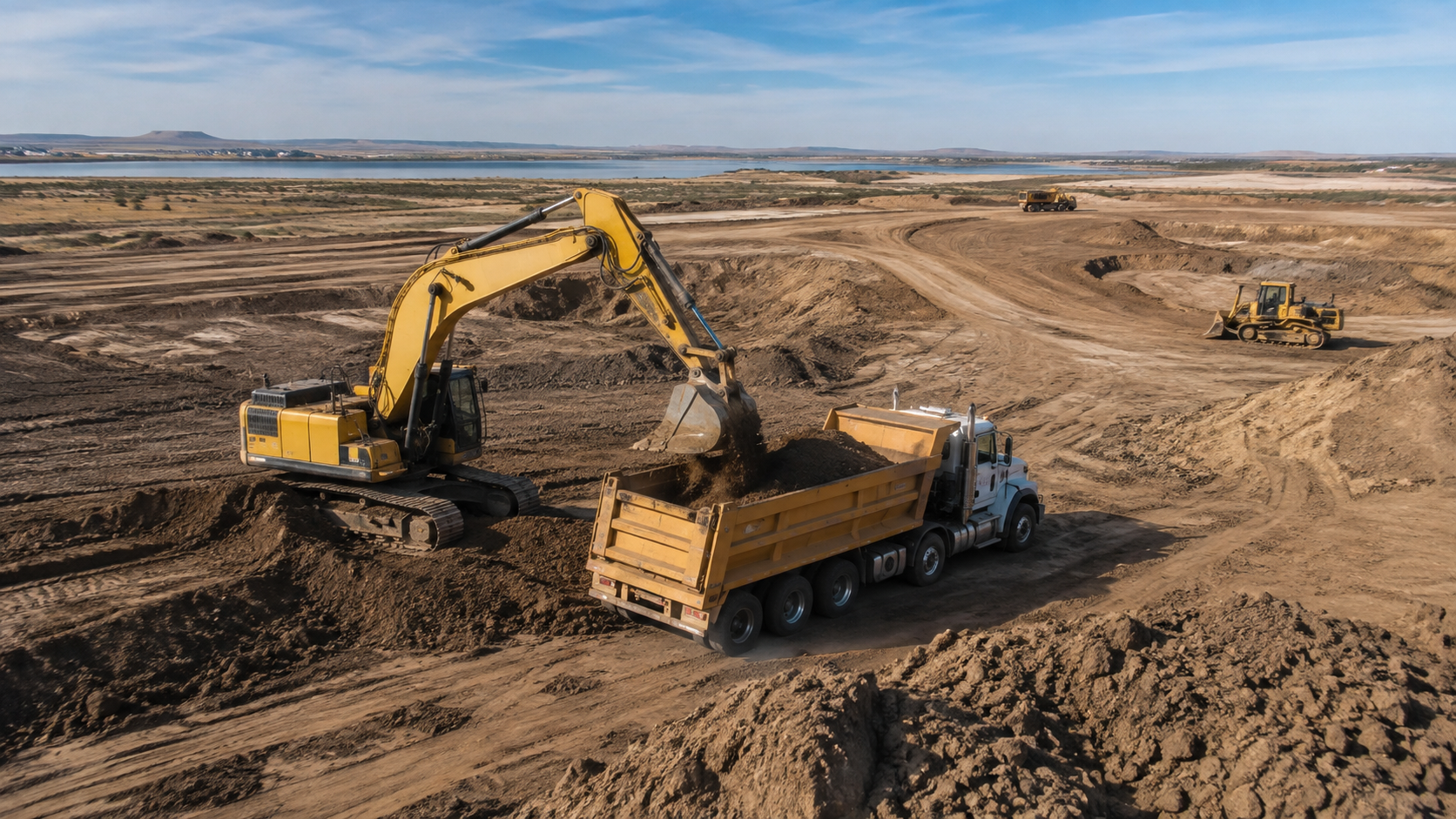
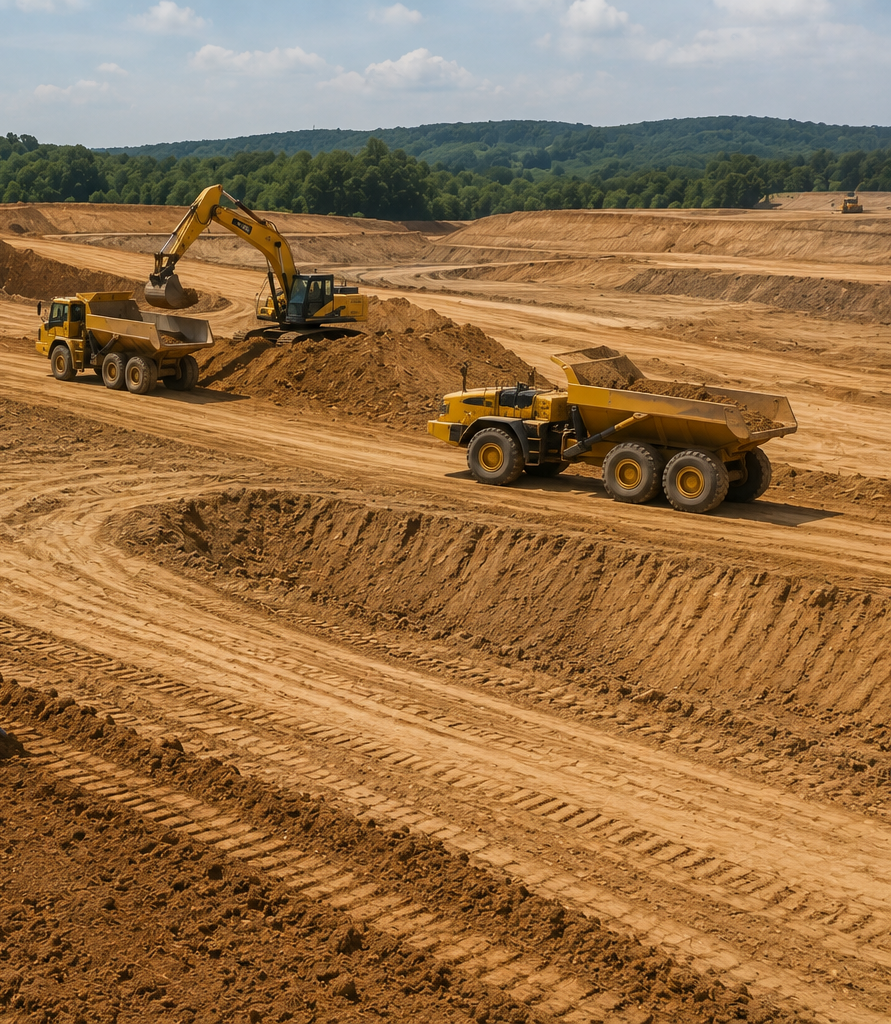
A single cubic yard of moist soil weighs around 2,700 pounds, which is why a job measured in hundreds of yards is an equipment question long before it is a labor question. Dozer Construction & Landscaping, LLC moves earth across Moses Lake, WA: bulk cut and fill, stockpiling, backfill, structural fill import, haul-off of unsuitable material, and access roads across Grant County. Licensed and insured, 11 years in, with machines sized to the volume rather than to the truck.
EVERY YARD YOU MOVE TWICE IS A YARD YOU PAY FOR TWICE.
Earthmoving is priced in volume and distance, so the plan matters more than the horsepower. Material stockpiled in the wrong corner gets rehandled. Fill dumped before the subgrade is proofed comes back out. A haul road cut through the future driveway becomes a compaction problem that somebody has to fix later.
We lay out where material goes before it starts moving, which usually removes a whole round of rehandling from the schedule. On larger sites that single decision is the difference between a balanced job and a fleet of import trucks.
- Cut and fill balanced on site
- Stockpiles placed clear of future work
- Unsuitable material separated and hauled
- Access routes planned before the first pass
➜ DIRT WORK & EARTHMOVING
BALANCE THE SITE BEFORE YOU CALL A TRUCK.
Imported fill and exported spoil are the two most expensive lines on an earthwork estimate, and both shrink when the site is balanced properly. That means comparing existing contours against finished contours, calculating cut against fill, and accounting for shrink and swell factors that differ by soil type. Sand does not behave like silt loam, and neither behaves like the cemented layers found under parts of this valley.
BIG ACREAGE AND SHORT DRIVEWAYS BOTH GET MOVED.
The work here ranges from a farm access road across a quarter section to a homeowner who needs 60 yards relocated from a backyard. Rural Grant County sites usually give us the room to run larger equipment efficiently, while in-town lots demand tracked machines that fit between structures. Matching the fleet to the parcel is what keeps the cost per yard reasonable in either setting.
OUR HOUR METERS TELL THE HONEST VERSION.
Earthmoving is one of the few trades where the equipment keeps its own record of the work, and we quote from that history rather than from optimism. Knowing what a machine actually produces per hour in this soil, on this kind of haul distance, is the difference between an estimate and a hope. 11 years of those numbers sit behind every proposal we hand out. How many yards are you dealing with?
WHAT ORGANIZED EARTHMOVING SAVES YOU
Fewer Trucks On The Invoice
Material balanced within the property boundary does not need to be bought, hauled in, or paid for at a disposal site, and those three line items are usually the largest on the bill.
Less Rehandling Of The Same Dirt
Stockpiles placed with the finished layout in mind stay where they are put until they are used, instead of being pushed twice because they landed in the way of something.
Ground That Supports What Goes On It
Fill placed in controlled lifts at proper moisture builds a section that carries load, rather than a soft mass that compresses under a driveway or a slab over the next few seasons.
A Shorter Time On Site
Correctly sized equipment and a sequenced plan compress a project into days instead of weeks, which reduces disruption to your property, your neighbors, and whatever else is scheduled.
Cleaner Boundaries And Neighbors
Controlled spoil placement, dust management, and defined haul routes keep the work inside your property line and off the road, which matters on tight lots and shared driveways.
A Site Ready For The Next Phase
Earthwork that finishes at the right elevation with verified compaction hands the concrete, utility, or paving crew a surface they can start on immediately without corrective work.
➜ WHAT WE MOVE
OUR DIRT WORK AND EARTHMOVING
Earthmoving covers the bulk work that happens before anything precise does. These six make up the majority of the volume we handle across the Columbia Basin in a normal year.
BULK VOLUME
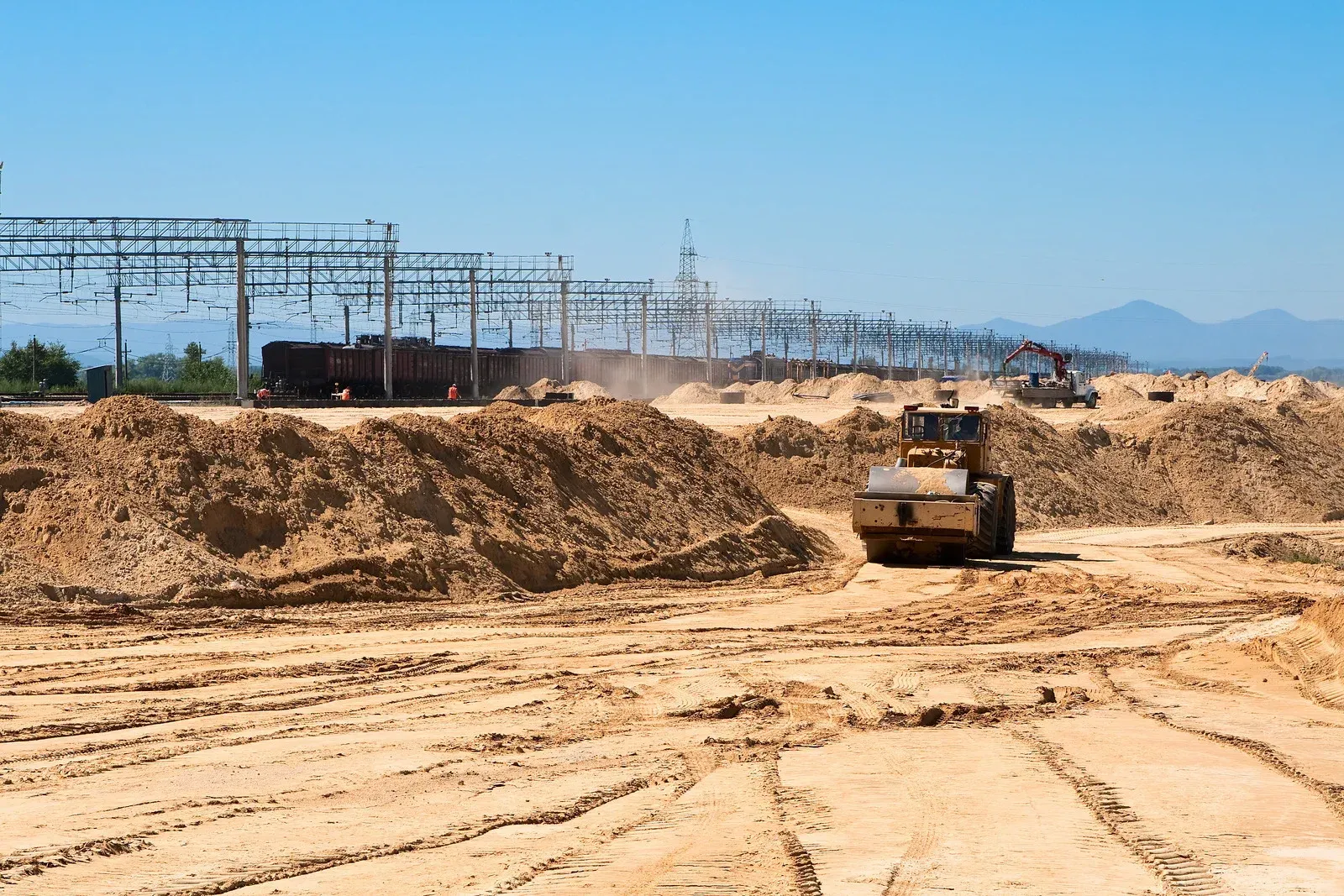
Cut and Fill Earthwork
Moving material from high areas to low ones to reach design contours, calculated by volume so the site balances where possible and the import or export figure is known before the work starts.
STORAGE
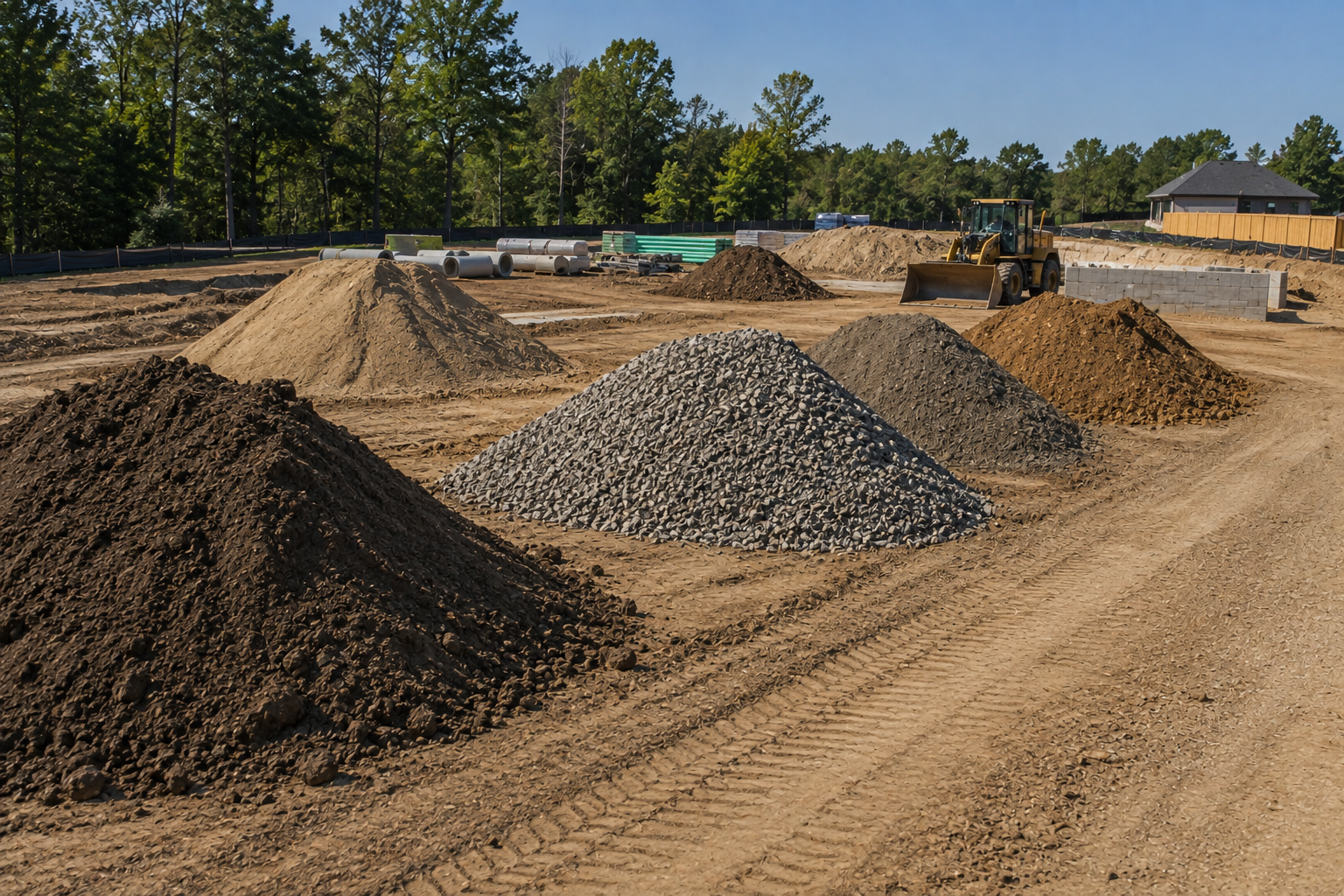
Stockpiling and Material Staging
Building organized piles of topsoil, structural fill, and reusable spoil in locations that stay out of the construction sequence, so material is available when needed without being moved twice.
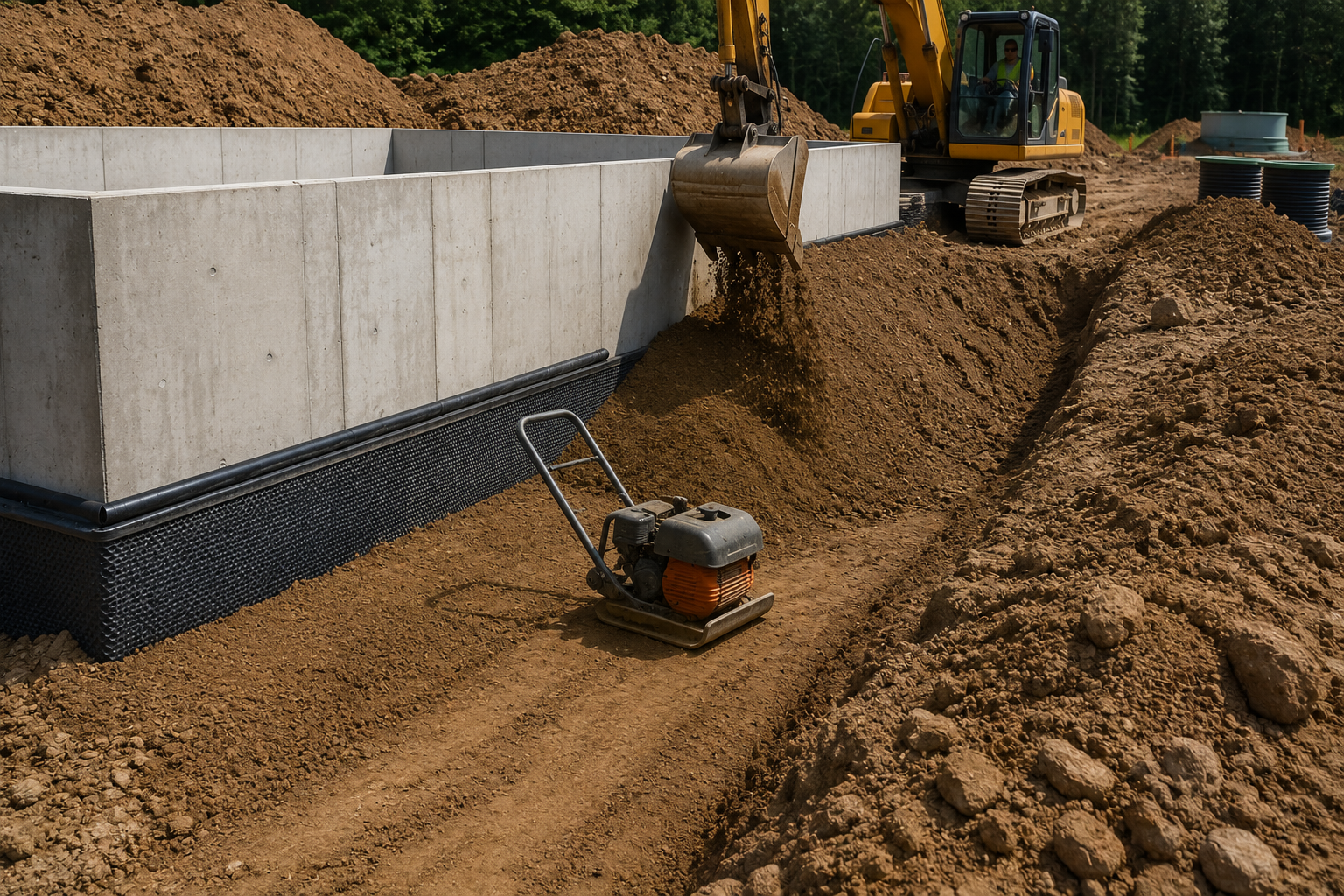
FILLING BACK
Backfill Placement
Returning material around foundations, walls, tanks, and trenches in measured lifts with compaction at each layer, using select material where a structure or engineer requires something better than native soil.
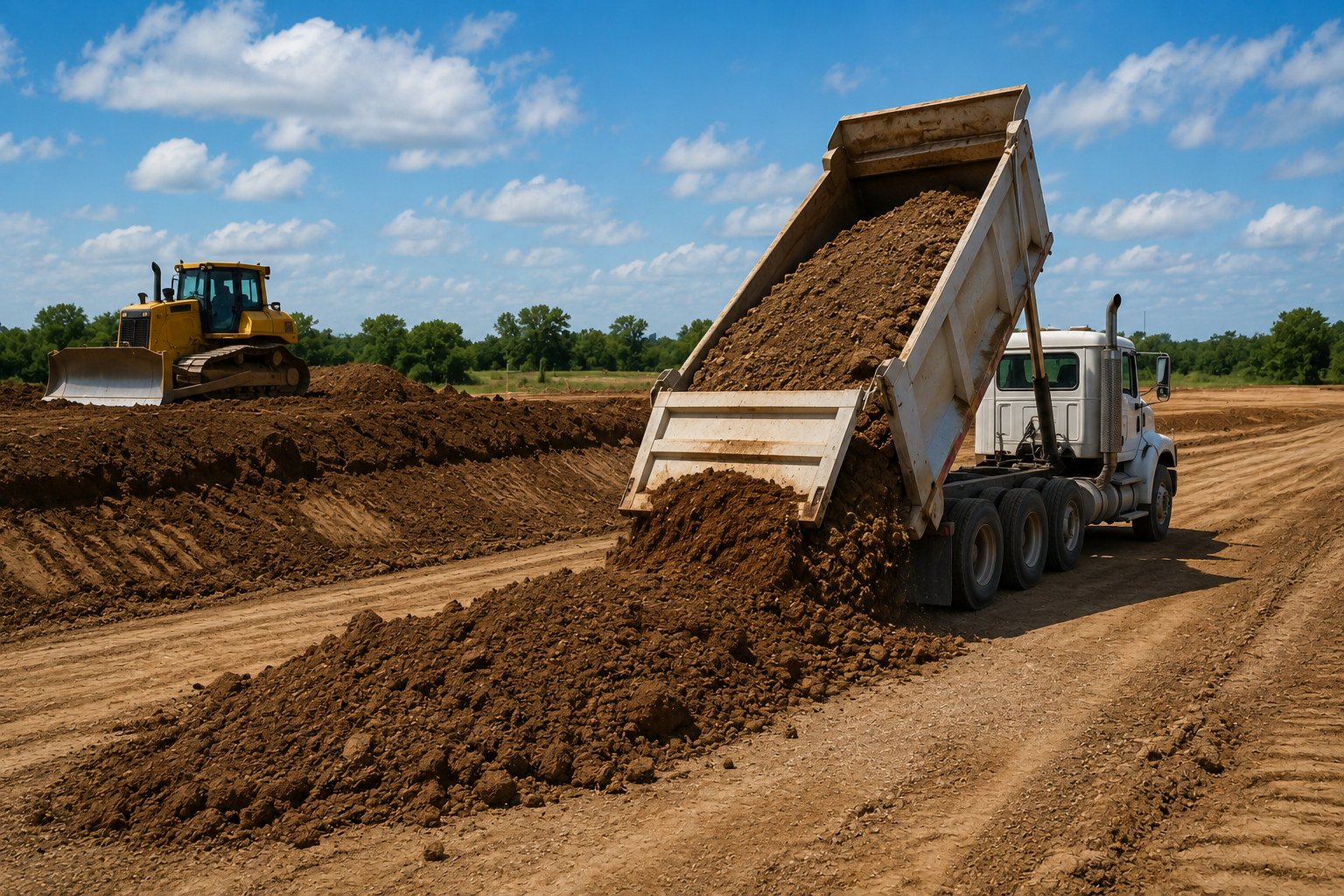
BRINGING IN
Structural Fill Import
Supplying and placing engineered fill, pit run, or select material where a site cannot produce enough usable soil of its own, brought in at the gradation the project specification actually calls for.
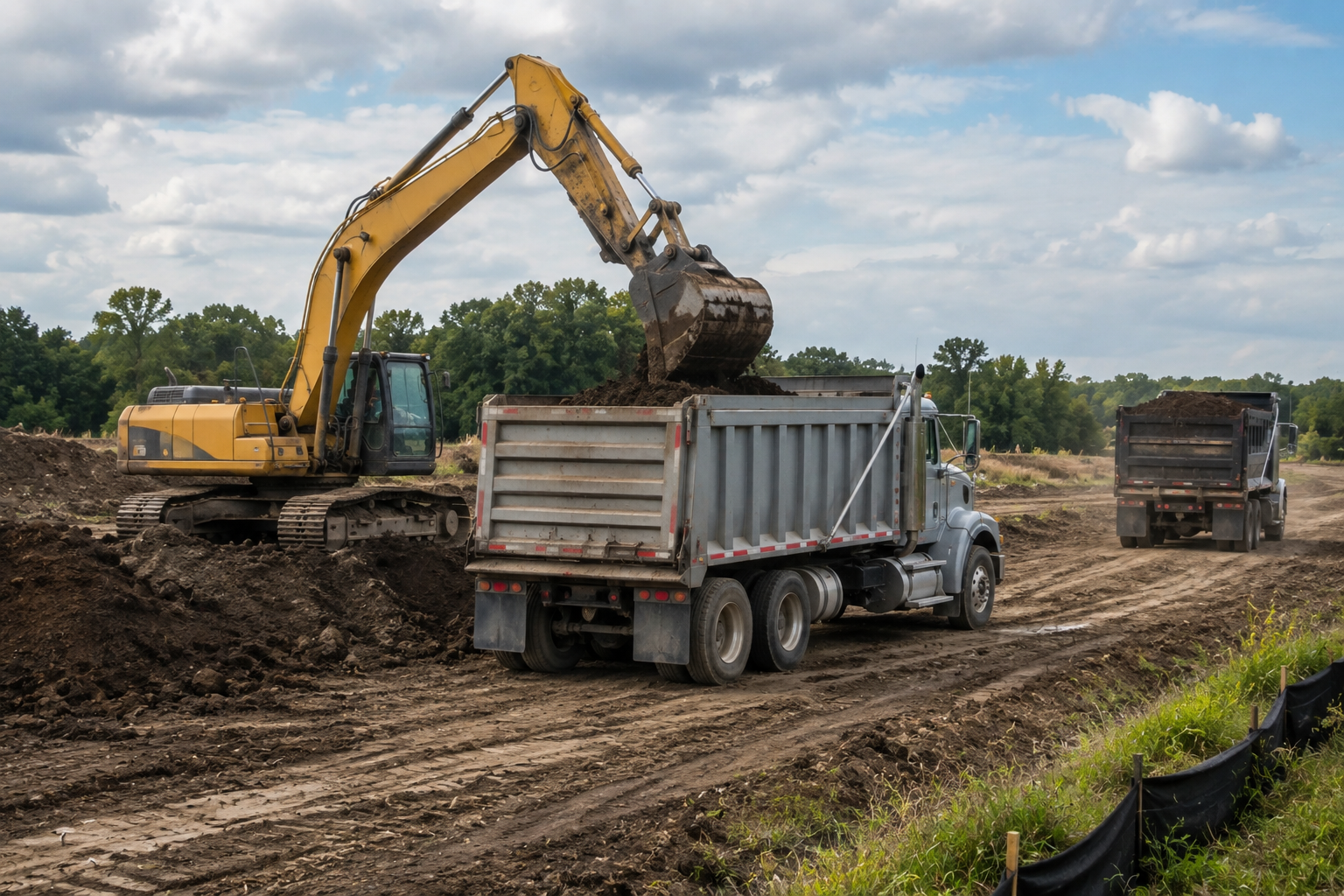
TAKING OUT
Spoil Haul-Off and Disposal
Loading and removing surplus, organic, or contaminated material to an appropriate disposal or recycling site, tracked by load so the quantity leaving the property is documented rather than estimated.
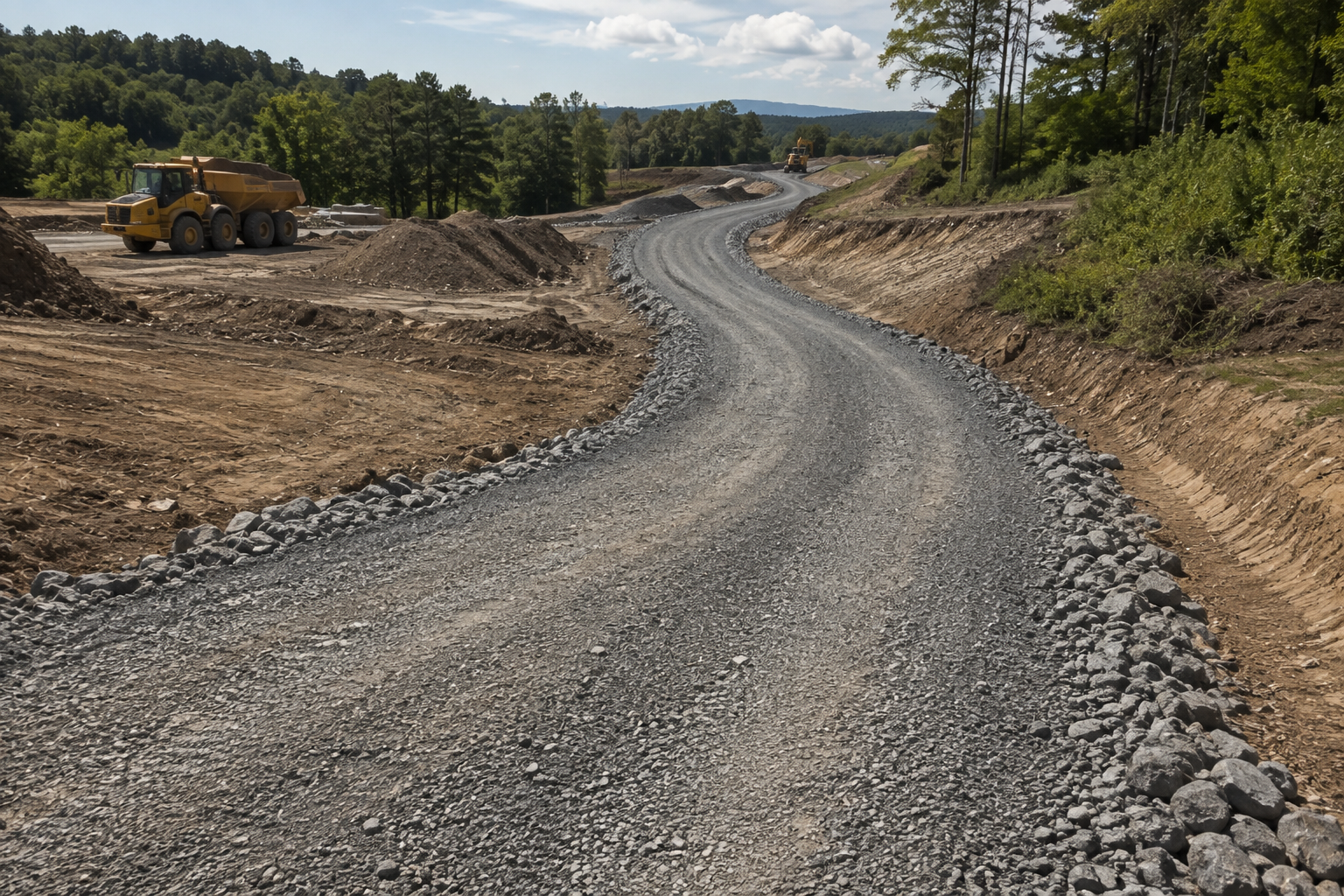
GETTING THERE
Access Roads and Haul Routes
Building temporary or permanent equipment routes with a base that carries loaded trucks, positioned so they do not compact ground reserved for future structures or landscaping.
➜ THE WORD ON OUR WORK
WHAT OUR CLIENTS SAY.
Contractors judge an earthwork crew on two things: whether the volume estimate held, and whether the site was ready on the promised morning. Homeowners judge us on whether the yard looked like a construction zone longer than we said it would.
➜ Common Questions
FREQUENTLY ASKED QUESTIONS.
Earthmoving questions almost always come back to volume, cost drivers, and what happens to the material. These are the ones that come up on nearly every bid walk.
What happens to all of the dirt removed during excavation?
Excavated soil may be reused on the property for grading or backfill when it is suitable. When excess or unsuitable material has to leave, or when additional fill, gravel, or topsoil is needed, we coordinate the hauling and delivery.
How do you calculate how much dirt needs to be moved?
Existing elevations are compared against the finished elevations the design requires, and the difference is converted to cubic yards of cut and fill. Shrink and swell factors for the particular soil type are then applied to that figure.
What is the difference between topsoil, fill dirt, and structural fill?
Topsoil is the organic surface layer that grows plants. Fill dirt is subsoil used to raise grade. Structural fill is a specified, gradated material chosen because it compacts predictably under a load-bearing surface such as a slab or driveway.
Can dirt work be done when the ground is wet?
Sometimes, but compaction results suffer badly once soil passes optimum moisture. Working saturated ground can also destroy the subgrade you are standing on, so wet-weather work is usually limited to cutting rather than to placing and compacting fill.
How much does soil compact after it is placed?
It depends on the material and method. Loose soil can lose 15 to 25 percent of its volume through compaction, which is why Dozer Construction & Landscaping, LLC calculates fill quantities in Moses Lake, WA on compacted volume.
Do you handle earthmoving for agricultural properties?
Yes. Field leveling, irrigation berms, stock ponds, equipment yards, and access roads are regular work throughout the Columbia Basin, and rural acreage usually allows larger machines that lower the cost of each yard moved on a large job.
What is a shrink and swell factor?
Soil expands when it is dug and contracts when it is compacted. Swell describes the loose volume sitting in a truck, shrink describes the compacted volume in place, and both are needed to order the right quantity of material.
Can you move dirt on a site that already has a house on it?
Yes. Tracked machines, protected travel routes, and staged spoil placement keep the work off finished landscaping and driveways. Dozer Construction & Landscaping, LLC confirms access width during the walkthrough on established Moses Lake, WA properties before scheduling equipment.
➜ HOW WE WORK
FROM STOCKPILE TO FINAL LIFT, HERE IS HOW.
STEP 01
WE MEASURE THE VOLUME
Existing and proposed elevations are compared to produce cut and fill quantities. That number, not a guess at how many truckloads it looks like, is what the schedule and the estimate are built on.
STEP 02
WE PLAN THE MOVES
Stockpile locations, haul routes, and the sequence of operations are laid out so material travels the shortest distance once. Rehandling is the hidden cost in earthwork and this is where it gets removed.
STEP 03
WE STRIP AND SORT
Topsoil comes off and goes to a clean pile. Subsoil is assessed as it is exposed, and anything organic, saturated, or too fine to compact is separated out for removal rather than reburied.
STEP 04
WE MOVE THE BULK
Cut areas are excavated and fill areas are built up toward design contours. Progress is checked against elevations continuously so the site converges on the target instead of overshooting and coming back later.
STEP 05
WE PLACE AND COMPACT
Fill goes down in controlled lifts at the right moisture content, compacted each pass. Where the project calls for verification, density testing happens before the next layer is allowed to cover it up.
STEP 06
WE TRIM AND HAND OFF
Surfaces are trimmed to final tolerance, stockpiles are dressed or removed, haul routes are restored and repaired, and the site is turned over at the exact elevations the next crew is expecting to find.
➜ GET YOUR FREE ESTIMATE
GIVE US THE VOLUME, AND THE QUOTE COSTS NOTHING.
Volume decides everything else about an earthmoving job, so it is worth a real number before the schedule gets built around a guess. Send the property location, what has to be raised or lowered, and any elevations you hold. We will walk it, calculate the cut and fill, and hand back a written scope with the haul and import figures stated plainly. Reach us on the contact page or the quote form.
WHAT YOUR EARTHWORK QUOTE COVERS:
- Cut and fill volumes in cubic yards
- Import quantity if the site is short
- Haul-off quantity and disposal handling
- Stockpile locations and staging plan
- Compaction method and testing needs
- Equipment sized to your access and volume