
➜ Land Clearing
LAND CLEARING IN Moses Lake, WA
Sagebrush root systems commonly reach 6 feet or more into Columbia Basin soil, which is why mowing a lot and calling it cleared leaves a field of anchors waiting for the next machine. Dozer Construction & Landscaping, LLC clears property in Moses Lake, WA: brush and sagebrush removal, stump grubbing, tree removal, old fence line pulls, debris haul-off, and rough grading of the cleared ground. Licensed, insured, and 11 years of clearing parcels across Grant County and the wider Columbia Basin.
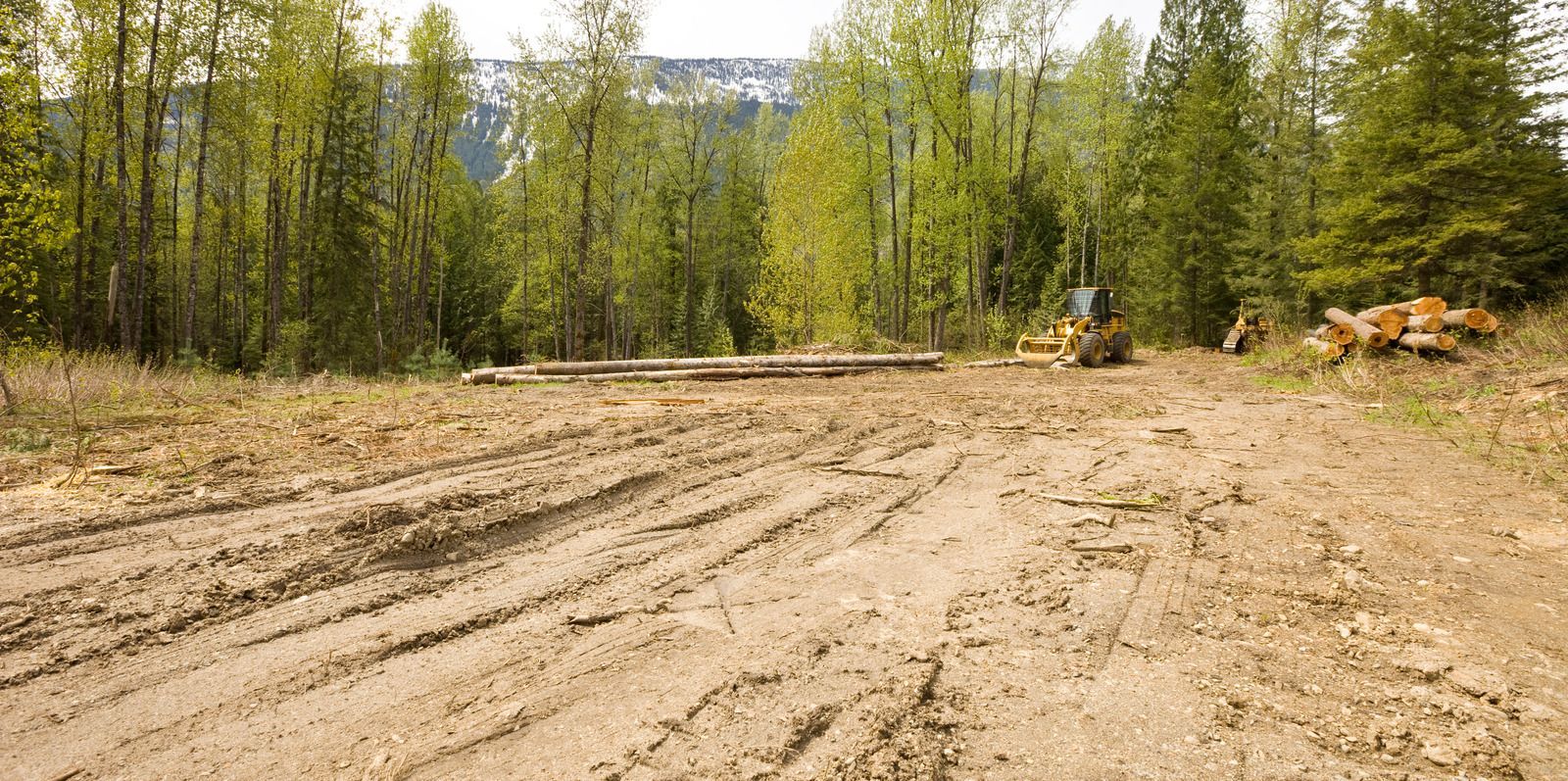
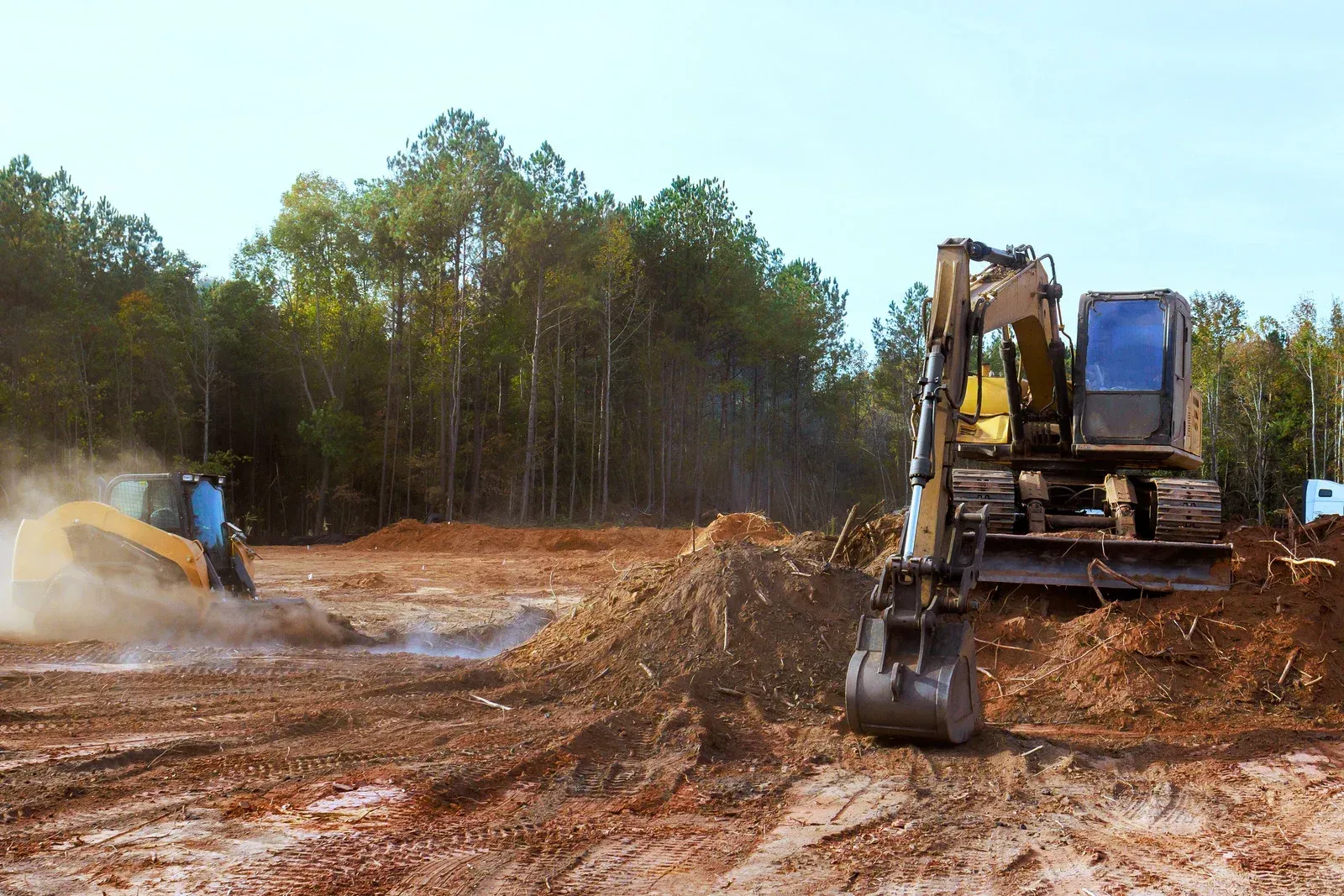
NOTHING ELSE STARTS UNTIL THE SITE IS REACHABLE.
Clearing is the phase people underestimate because it produces nothing visible except absence. Yet no surveyor stakes a lot through heavy brush, no excavator reaches a building corner past a windrow of dead trees, no delivery truck backs onto a parcel it cannot see the edges of, and no accurate estimate exists for ground nobody can walk across.
Getting a parcel open changes what everyone else can see and price. A clearing day often reveals a drainage pattern, an old dump area, or a buried utility that would otherwise have surfaced during a far more expensive phase.
- Brush, sagebrush, and volunteer trees
- Stumps grubbed rather than cut flush
- Debris hauled, chipped, or piled on request
- Cleared ground left rough graded
➜ LAND CLEARING
SAGEBRUSH, STUMPS, AND WHATEVER THE LAST OWNER LEFT.
Undeveloped Basin lots rarely hold only vegetation. They hold barbed wire buried in grass, irrigation pipe abandoned in place, concrete chunks, tires, old posts, and the occasional foundation nobody mentioned. Clearing means dealing with all of it, sorting what can be recycled from what has to go to a transfer station, and leaving ground that a survey crew and an excavator can both work across safely.
BASIN LOTS COME WITH THEIR OWN LIST.
Dryland parcels around Moses Lake, WA are dominated by sagebrush, rabbitbrush, cheatgrass, and Russian olive, and each behaves differently under a machine. Russian olive resprouts aggressively from a cut stump. Cheatgrass turns a cleared lot into a fire concern by June. Knowing which species need grubbing rather than cutting is the difference between clearing a lot once and clearing it again in two seasons.
WE HAVE CLEARED LOTS NOBODY WANTED TO WALK.
Some of the most satisfying work we do arrives as photographs from a property owner who cannot get more than 20 feet onto their own land. Those parcels take equipment, patience, and a willingness to find whatever is under the growth. What comes back is a usable piece of ground, an honest picture of its slope and drainage, and a realistic idea of what building on it involves. What is your lot hiding?
WHAT A CLEARED LOT IS ACTUALLY WORTH
A Property You Can Finally Assess
Open ground reveals the real slope, the drainage pattern, the rock, and the access points. Every decision after that, from house placement to driveway route, gets made on facts instead of assumptions.
Lower Fire Load Around Structures
Removing dead brush, cured grass, and accumulated woody debris pulls fuel away from homes, shops, and fence lines, which matters through a long, dry Central Washington summer.
Room For Equipment To Work
Excavators, dozers, and delivery trucks need turning space and a clear path. Clearing first prevents the slow, expensive version where every other trade works around obstacles.
Fewer Surprises During Excavation
Buried wire, old posts, abandoned pipe, and dump piles found during clearing cost an hour. The same items found by a trencher or a hydraulic hammer cost considerably more.
Ground That Drains Instead Of Traps
Rough grading behind the clearing pass removes the dips, windrows, and equipment ruts that would otherwise hold water and make the parcel harder to work the following spring.
A Parcel Worth More On Paper
Cleared, accessible, buildable land shows better to lenders, appraisers, and buyers than the same acreage under six feet of brush, whether or not construction is imminent.
➜ WHAT WE CLEAR
OUR LAND CLEARING WORK
Clearing scopes vary from a single overgrown corner to a full parcel. These six describe the work that most often gets requested, alone or in combination.
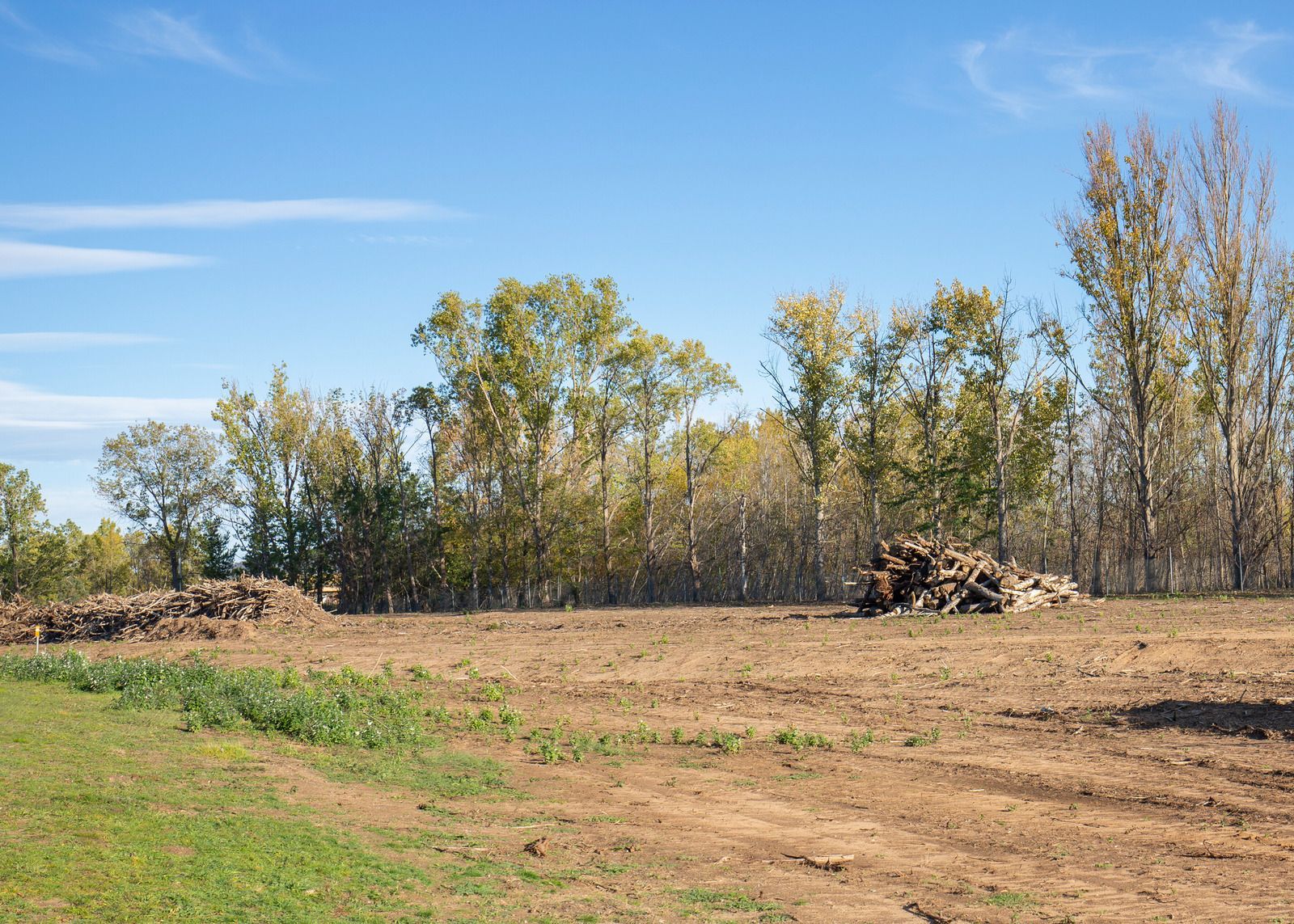
FULL PARCEL
Lot and Acreage Clearing
Removing vegetation across an entire property to open it for building, farming, or sale, working systematically so debris is consolidated as it is generated rather than scattered across the ground.
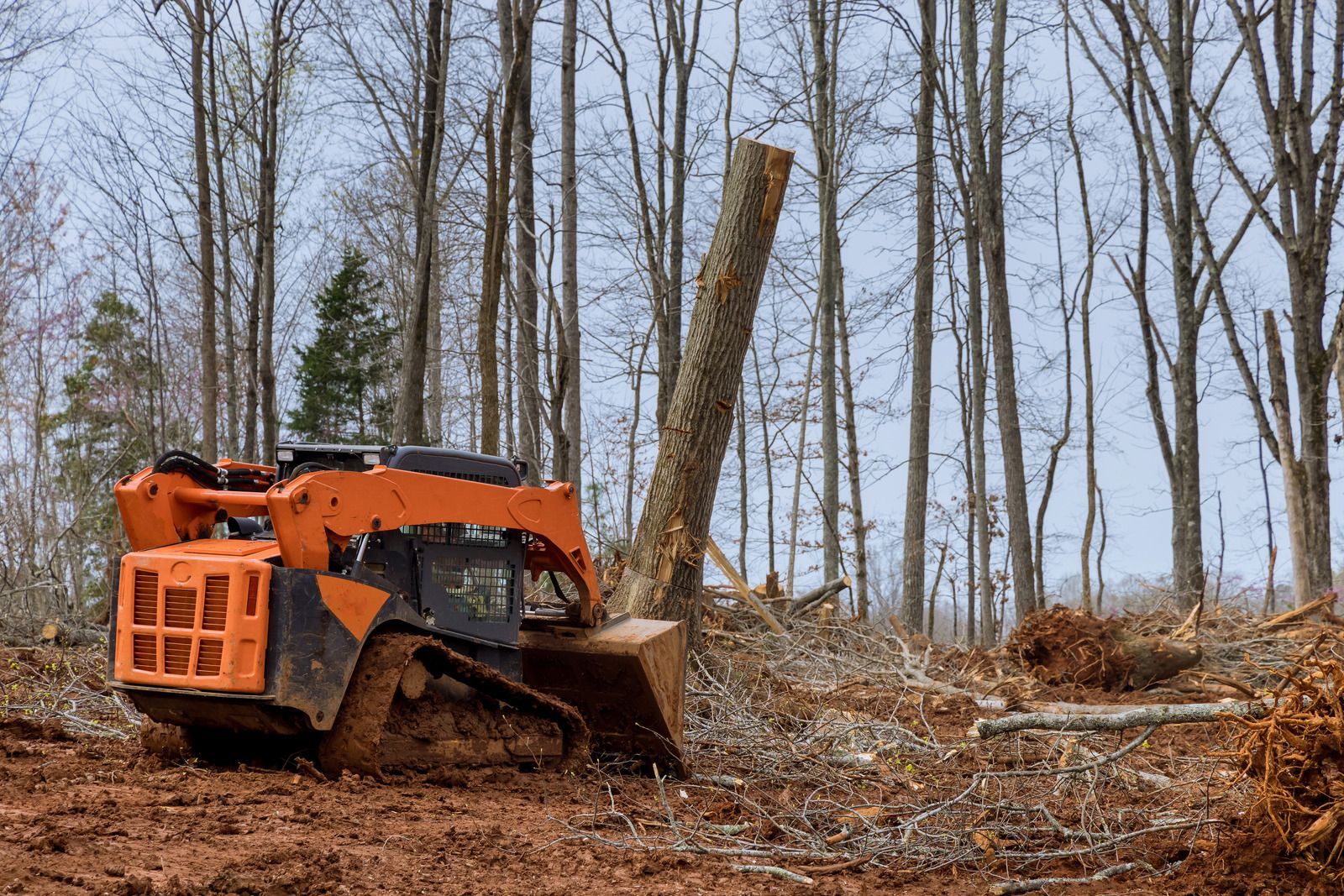
SURFACE GROWTH
Brush and Sagebrush Removal
Taking out sagebrush, rabbitbrush, tumbleweed accumulation, and thick grass down to bare soil, with the root systems addressed so the same growth is not back within a couple of seasons.
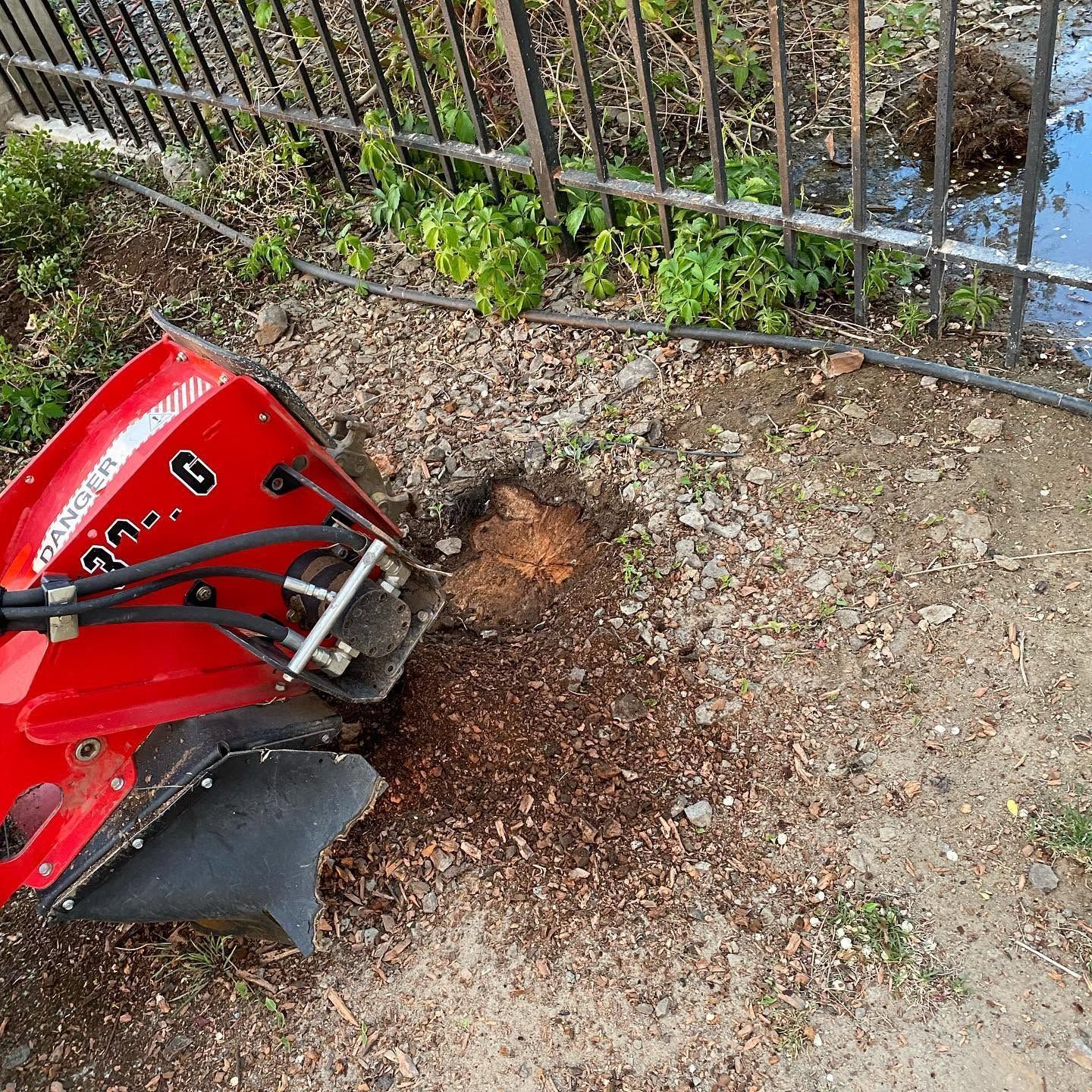
ROOT AND ALL
Stump Removal and Grubbing
Pulling stumps and root balls out completely rather than cutting them at ground level, because a buried root mass decays into a void that shows up later as a settled spot under a slab.
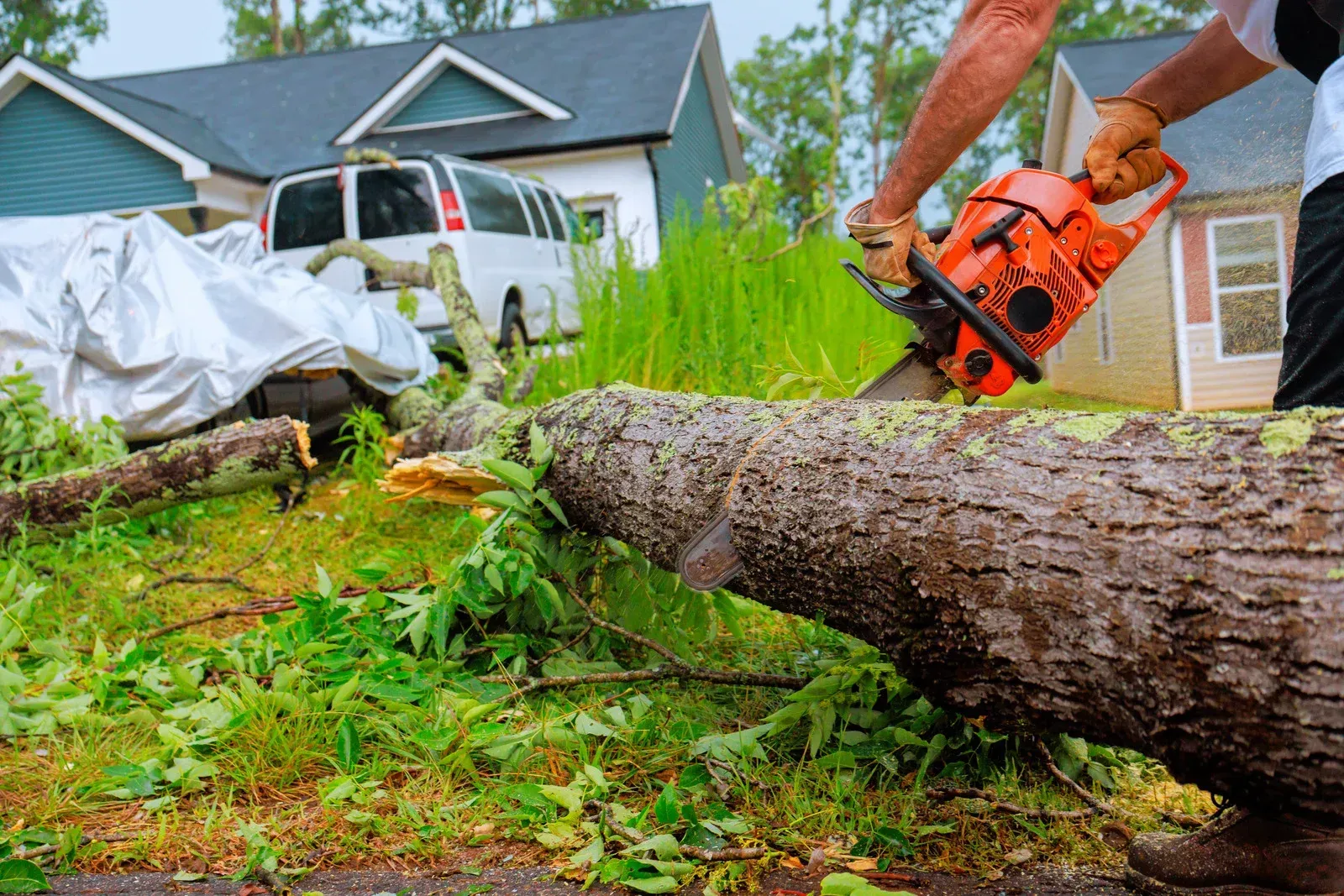
STANDING TIMBER
Tree Removal and Windrow Clearing
Taking down dead, damaged, or unwanted trees and the old shelterbelt rows common on Basin properties, then removing the trunks, limbs, and root systems from the work area entirely.
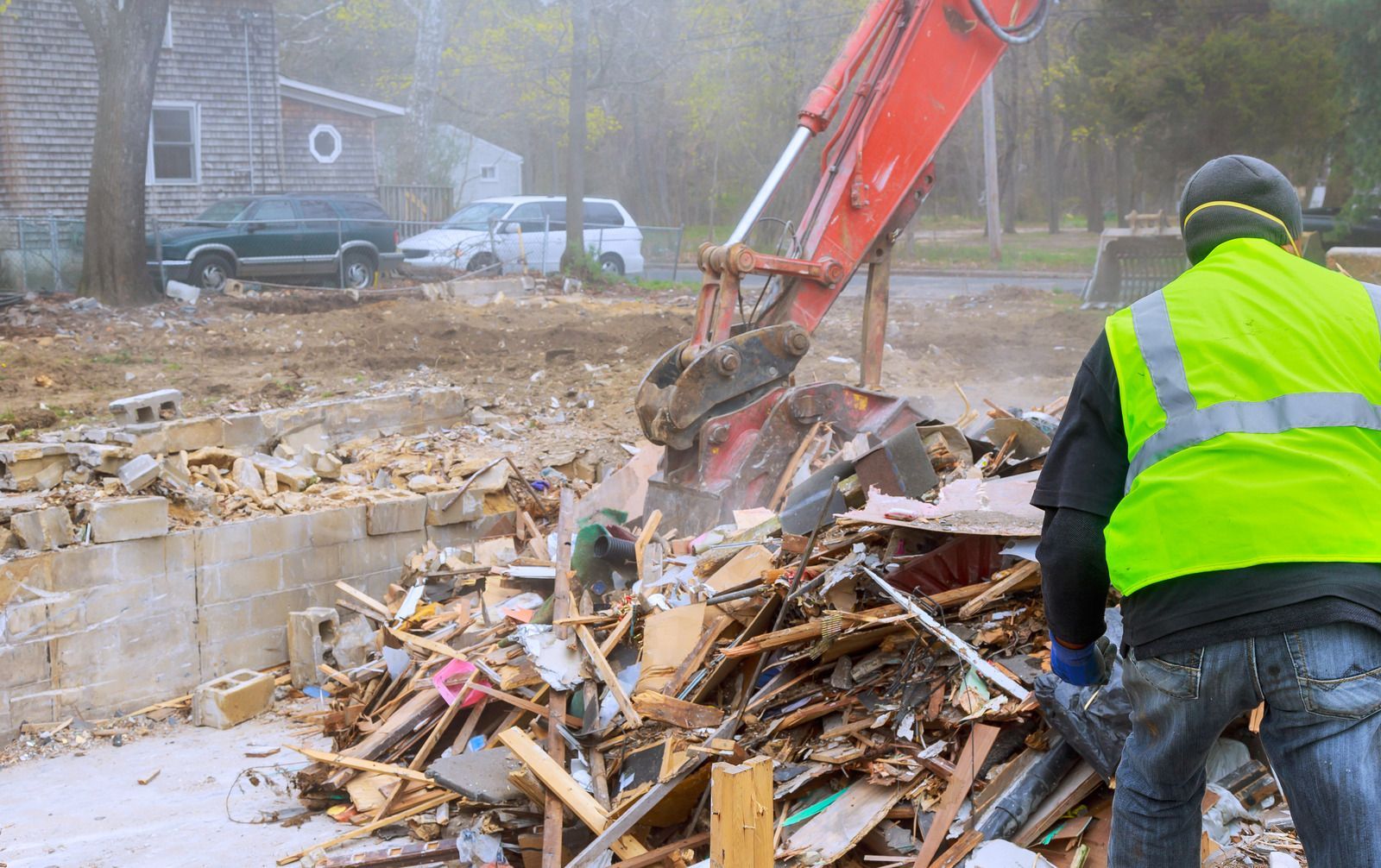
LEFTOVERS
Debris and Junk Removal
Clearing abandoned fence line, wire, posts, irrigation pipe, tires, concrete rubble, and dumped material, separating recyclable metal and concrete from what has to go to a transfer station.
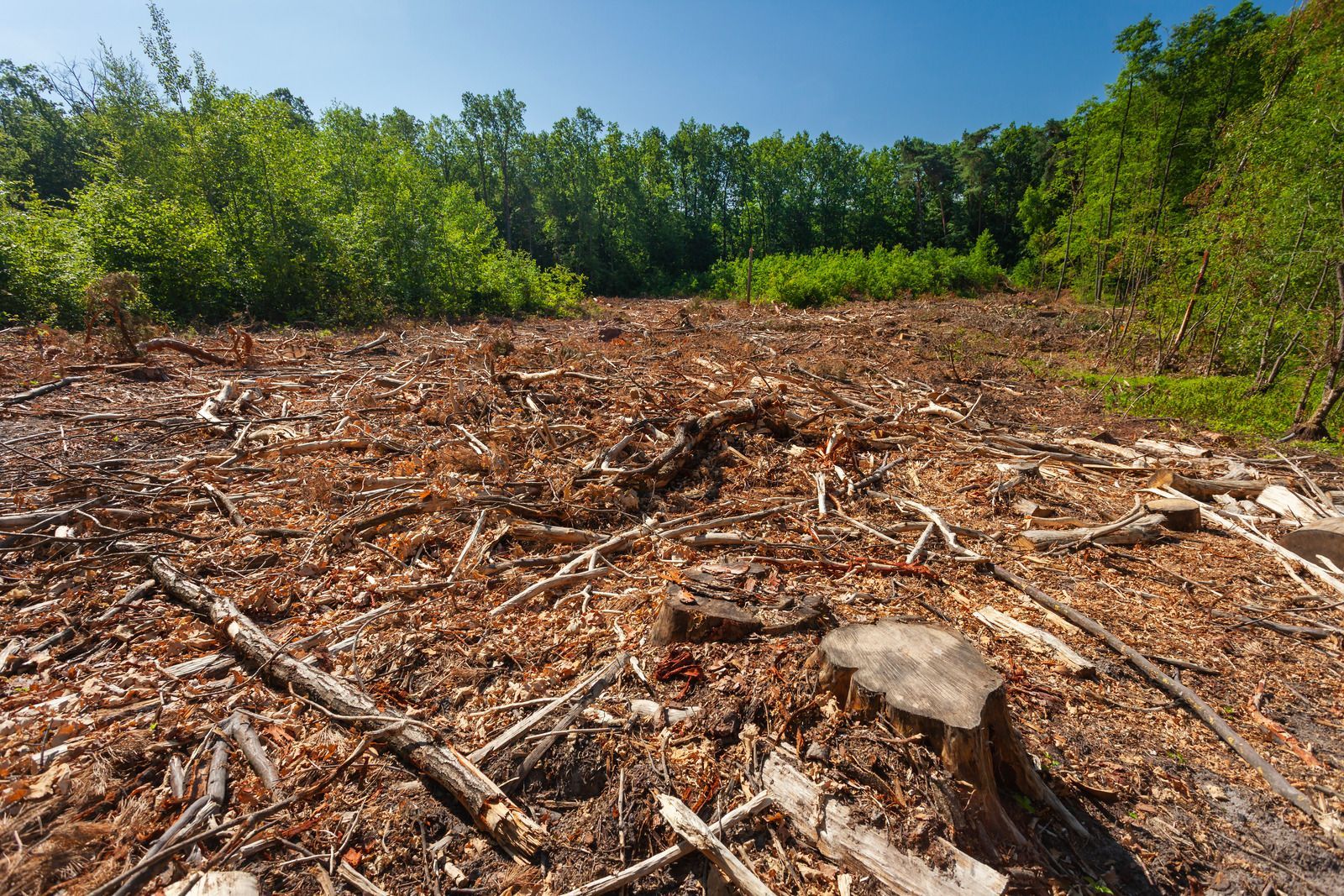
AFTER THE CLEAR
Rough Grading and Cleanup
Smoothing the cleared surface, filling holes left by stumps, knocking down windrows and equipment ruts, and leaving ground that drains and can be driven on immediately afterward.
➜ THE WORD ON OUR WORK
WHAT OUR CLIENTS SAY.
Clearing produces the most dramatic before-and-after photographs of anything we do, and those photographs tend to travel. A neighbor who watched a brush-covered parcel turn into open, workable ground in 2 days generally knows exactly who to call about their own lot.
➜ Common Questions
FREQUENTLY ASKED QUESTIONS.
Clearing questions usually center on what gets removed, what happens to the debris, and whether any of it requires permission first. Here are the frequent ones.
Do I need land clearing before excavation can begin?
It depends on the condition of the property. Undeveloped sites may require brush clearing, vegetation removal, or debris removal before excavation and grading equipment can access the site and work across it efficiently. An established lot often needs none of it.
What happens to the trees and brush that get removed?
Depending on the site and your preference, material is hauled to a disposal or recycling facility, chipped for use on the property, or piled in a designated location for burning under whatever permits apply locally. Chipping on site is often cheapest.
Do I need a permit to clear my own land?
Sometimes. Critical areas, shoreline buffers, wetlands, and certain slopes carry restrictions, and burn permits are separate. We identify what applies before scheduling, and the property owner confirms any conditions with the local jurisdiction. Rules differ between city and county land.
How long does it take to clear an acre?
Light brush on flat, accessible ground can run under a day per acre. Heavy timber, large stumps, buried debris, or difficult terrain can stretch the same acre across several days depending on what is found. Access to the parcel matters too.
Should stumps be ground or fully removed?
Grinding is faster and works when nothing will be built above. Full grubbing is necessary anywhere a structure, driveway, or slab is planned, since a decaying root mass eventually leaves a void underneath. The planned use of that ground decides it.
Will clearing cause erosion problems on my property?
It can if the ground is left bare on a slope through a wet season. Rough grading, keeping vegetation on steep areas, and timing the work sensibly all reduce the risk considerably on Basin ground. Timing the work well matters most.
Can you clear only part of a property?
Yes, and it is common. Clearing limits are flagged before work starts, and Dozer Construction & Landscaping, LLC keeps machines inside those boundaries on Moses Lake, WA parcels where owners want mature trees or screening kept. Flagging happens before equipment arrives.
What is the best season for land clearing in Central Washington?
Late fall through early spring is often easiest, since ground is firm, foliage is down, and fire risk is low. Dozer Construction & Landscaping, LLC clears through the summer in Moses Lake, WA with extra dust and spark control.
➜ HOW WE WORK
FROM WALKTHROUGH TO CLEAN GROUND, HERE IS HOW.
STEP 01
WE WALK THE BOUNDARIES
Property limits, keep areas, hazards, and access points are identified on foot. What stays and what goes is agreed and flagged before any equipment is scheduled to arrive on the property.
STEP 02
WE CHECK THE RESTRICTIONS
Locate tickets, burn permits, critical area maps, and any local clearing rules get sorted out ahead of time, so the work does not stop halfway through for a requirement nobody looked up.
STEP 03
WE OPEN ACCESS
An entry route and working area come first, which lets equipment reach the interior of the parcel without dragging debris across ground that will be used for staging or stockpiling later.
STEP 04
WE CLEAR AND GRUB
Vegetation, stumps, root systems, and buried debris are removed together, working in a pattern that consolidates material toward the disposal or processing area rather than spreading it around.
STEP 05
WE HANDLE THE DEBRIS
Material is hauled off, chipped, or piled according to the plan agreed at the start, with metal, concrete, and burnable material separated so disposal costs stay as low as they reasonably can.
STEP 06
WE ROUGH GRADE THE GROUND
Stump holes get filled, ruts and windrows are knocked down, and the surface is shaped so it drains. The parcel is left in a condition where the next phase can begin immediately.
➜ GET YOUR FREE ESTIMATE
WALK THE PROPERTY WITH US, AND THE ESTIMATE IS FREE.
Nobody can price a clearing job accurately from a satellite image, because what matters is under the growth rather than above it. Tell us where the parcel is, how much needs to open up, and what stays standing. We will walk it, tell you what is out there, and put a written scope and price together covering removal, debris handling, and the rough grade afterward. The contact page and quote form both work.
WHAT YOUR CLEARING QUOTE COVERS:
- Area to be cleared and areas kept
- Vegetation type and stump handling
- Debris disposal, chipping, or piling
- Buried material and fence line removal
- Rough grading of the cleared surface
- Permit and burn requirements identified