➜ Excavation Services
EXCAVATION SERVICES IN Moses Lake, WA
Washington law gives a utility operator 2 to 10 business days to mark buried lines before a shovel moves, and those marks expire after 45 days. Dozer Construction & Landscaping, LLC plans excavation in Moses Lake, WA around that window: footing digs, basement and pond excavation, utility runs, building pads, and haul-off or reuse of every yard that comes out. Licensed, insured, and 11 years into this work, we plan depth, slope, and spoil handling before the first machine unloads.
WHAT COMES OUT OF THE HOLE MATTERS AS MUCH AS THE HOLE.
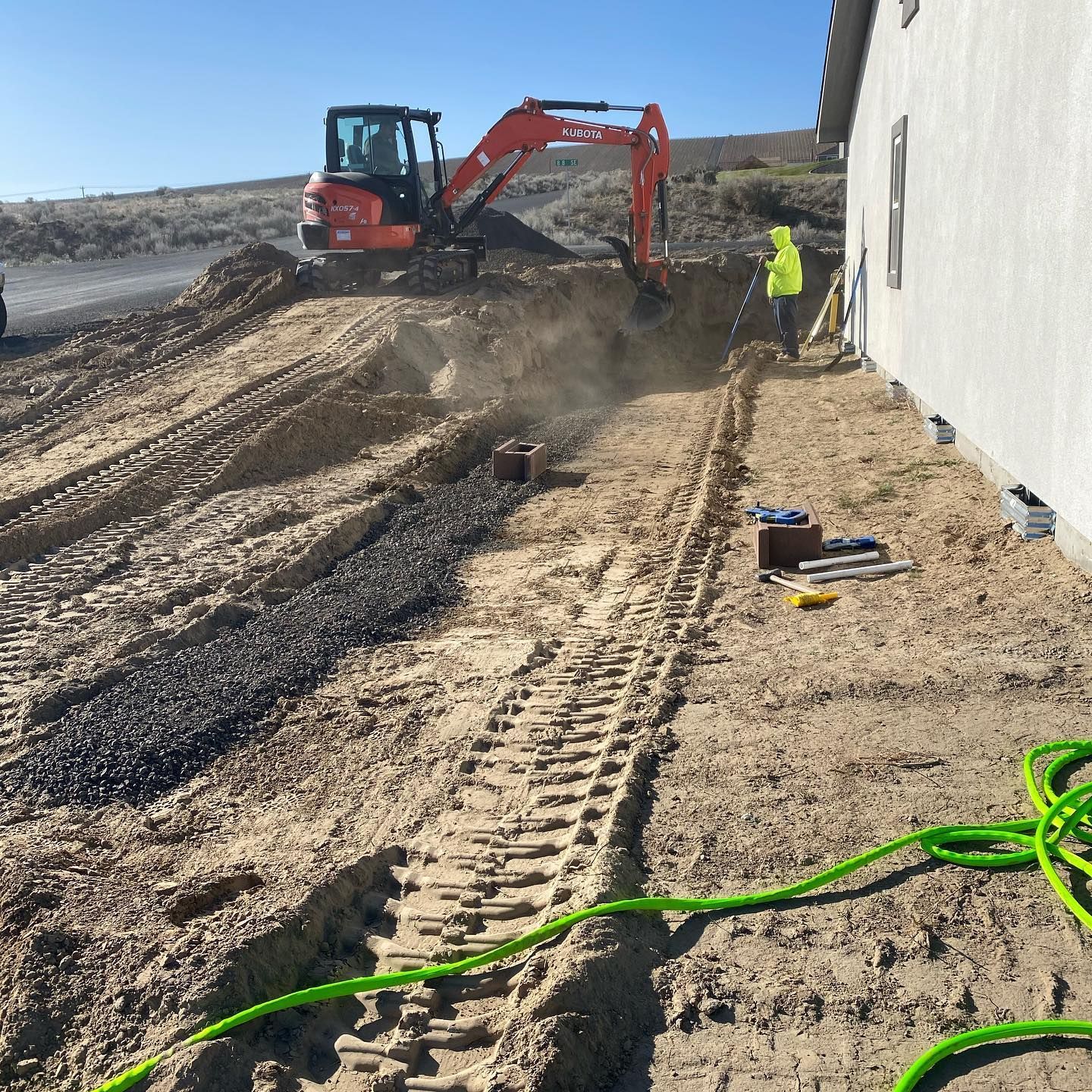
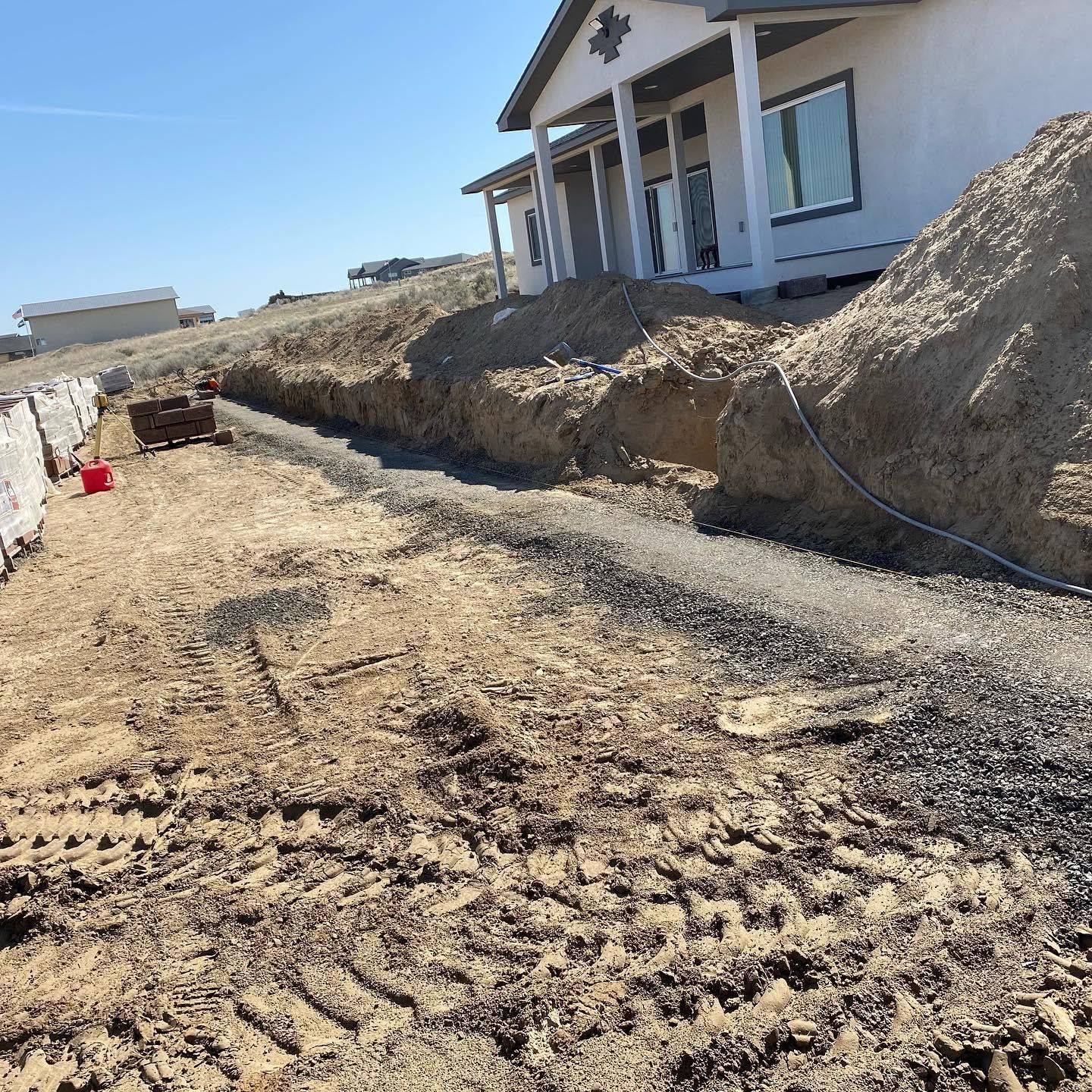
Every excavation produces material, and what happens to it is half the cost of the job. Soil that suits backfill or grading gets stockpiled and reused on the property. Material that is organic, saturated, or too fine to compact gets separated and hauled, because burying it under a slab is how settlement problems start 3 years later.
Sorting on site keeps truck counts and disposal tickets down. It also means the fill going back into your trench or under your pad is material that was chosen, not simply whatever was closest to the edge.
- Utility locates requested before we dig
- Spoil sorted, reused, or hauled
- Shoring and sloping to depth rules
- Backfill compacted in controlled lifts
➜ EXCAVATION SERVICES
THE FIRST MACHINE ON SITE SETS THE PRICE OF EVERY ONE AFTER IT.
Choose the wrong equipment and the job either takes twice as long or tears up ground nobody asked you to touch. A compact excavator threads a 40-inch gate and works a backyard without a rebuild afterward. A full-size machine moves ten times the volume on an open lot. We size the iron to the access, the volume, and the finish tolerance the next trade on your schedule needs.
COLUMBIA BASIN GROUND DOES NOT DIG THE SAME EVERYWHERE.
Within a few miles of Moses Lake, WA you can hit loose windblown sand, silty loam, cobble, and a cemented hardpan layer that stops a standard bucket. Each of those changes trench wall behavior, compaction method, and how much over-excavation a footing needs. Knowing which one is likely under a given property is why the site walk happens before the estimate, not after it.
11 YEARS OF READING GRANT COUNTY DIRT.
11 years on these properties has produced a working map that no soil survey provides: which subdivisions hide old irrigation line, where the hardpan sits shallow, which lots drain and which ones hold water against a foundation all winter. That accumulated local knowledge is what turns an estimate into a number that holds, and it is why we would rather look at your property than guess from an address. What are you planning to build?
WHAT A PROPERLY EXCAVATED SITE DELIVERS
A Foundation That Sits On Something Solid
Undisturbed or engineered subgrade carries structural load evenly. That is what keeps a slab from cracking along a line nobody can explain and keeps door frames square years after the build.
Water Sent Somewhere On Purpose
Excavated ground that is shaped as it is dug moves runoff away from the structure from day one, instead of leaving a low spot for someone to solve with a pump later.
Fewer Change Orders Mid-Project
Surprises found during the site walk cost a conversation. The same surprises found with a crew standing idle and concrete ordered cost real money, and they usually cost schedule too.
Utilities That Stay Where They Were Put
Trenches dug to correct depth with proper bedding and compacted backfill do not settle into ruts across a new lawn or leave a pipe resting on a rock.
A Site The Next Trade Can Actually Use
Concrete crews, framers, and plumbers arrive to clean, staked, accessible ground at the elevation their drawings call for, which is the difference between a smooth week and a wasted one.
Damage Kept Off Your Property
Planned equipment routes, protected surfaces, and spoil placed where it is not in the way mean the parts of the property outside the work area look the same afterward.
➜ WHAT WE DIG
OUR EXCAVATION WORK
Six areas cover most of what gets called in. Some are a single afternoon with a compact machine, some run for weeks alongside a general contractor, and all of them start with the same site walk.
NEW BUILDS
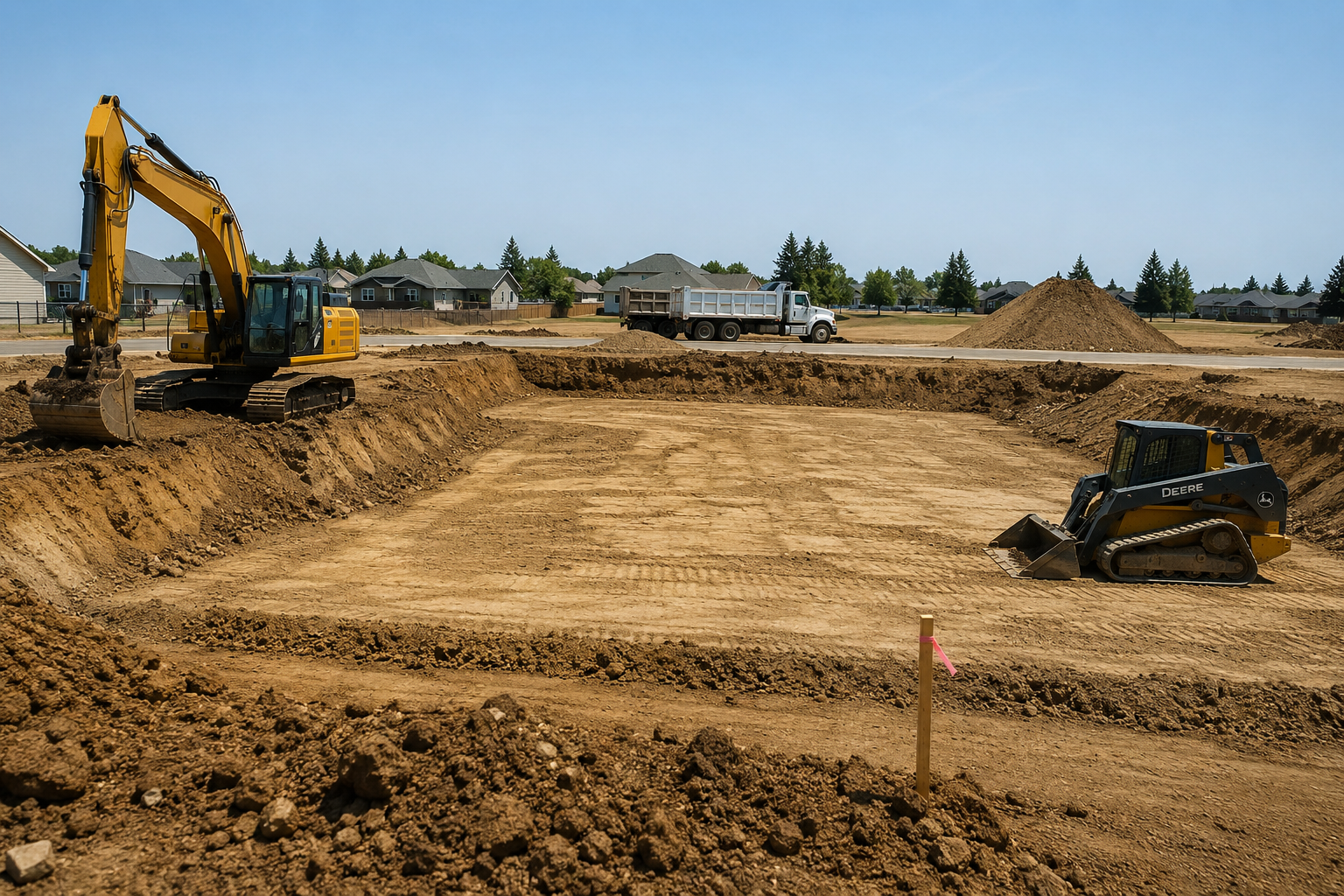
Building Pad Excavation
Cutting and filling a lot to the pad elevation your plans specify, removing unsuitable material, importing structural fill where the site is low, and compacting in lifts so the pad is ready for layout.
BELOW GRADE
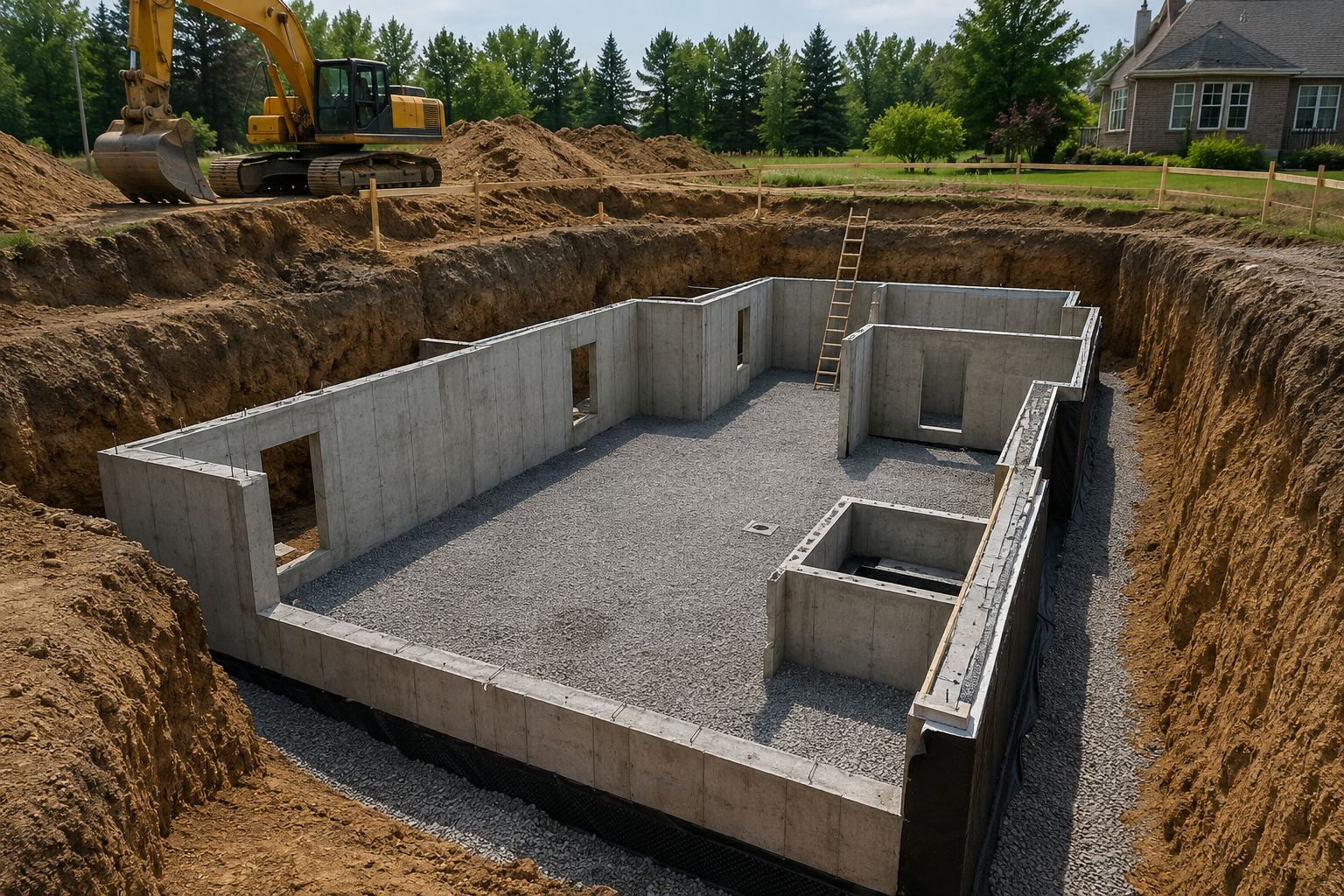
Basement and Crawlspace Digs
Open excavation for full basements, daylight basements, and crawlspaces, with wall setbacks wide enough for forming and waterproofing crews to work safely, then backfilled once the foundation is cured and drained.
FOOTING LINES
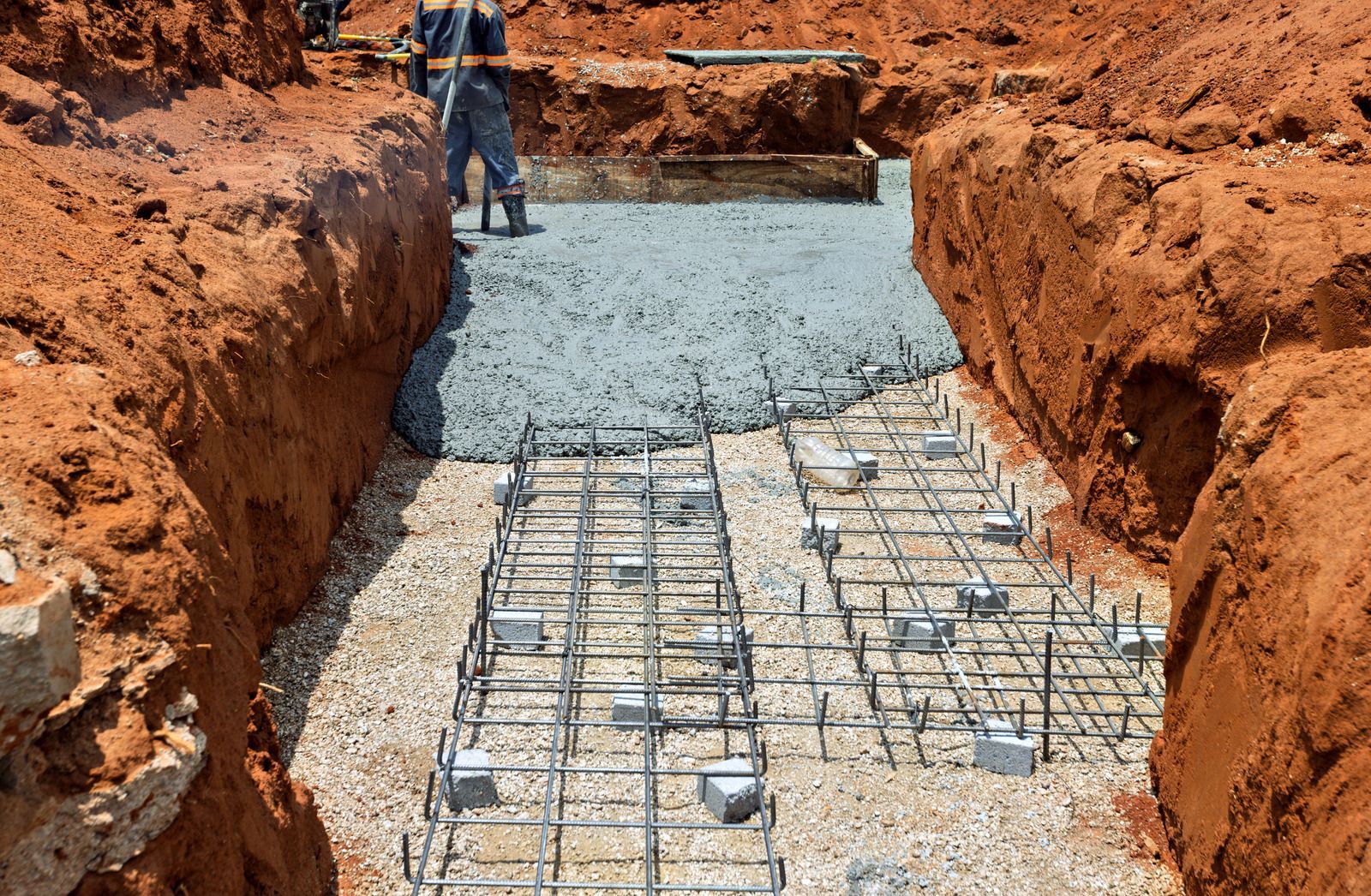
Footing and Stem Wall Trenches
Trenching along staked footing lines to the depth and width the engineer calls for, keeping the bottom flat and undisturbed so bearing capacity is not compromised before the forms go up.
WATER FEATURES
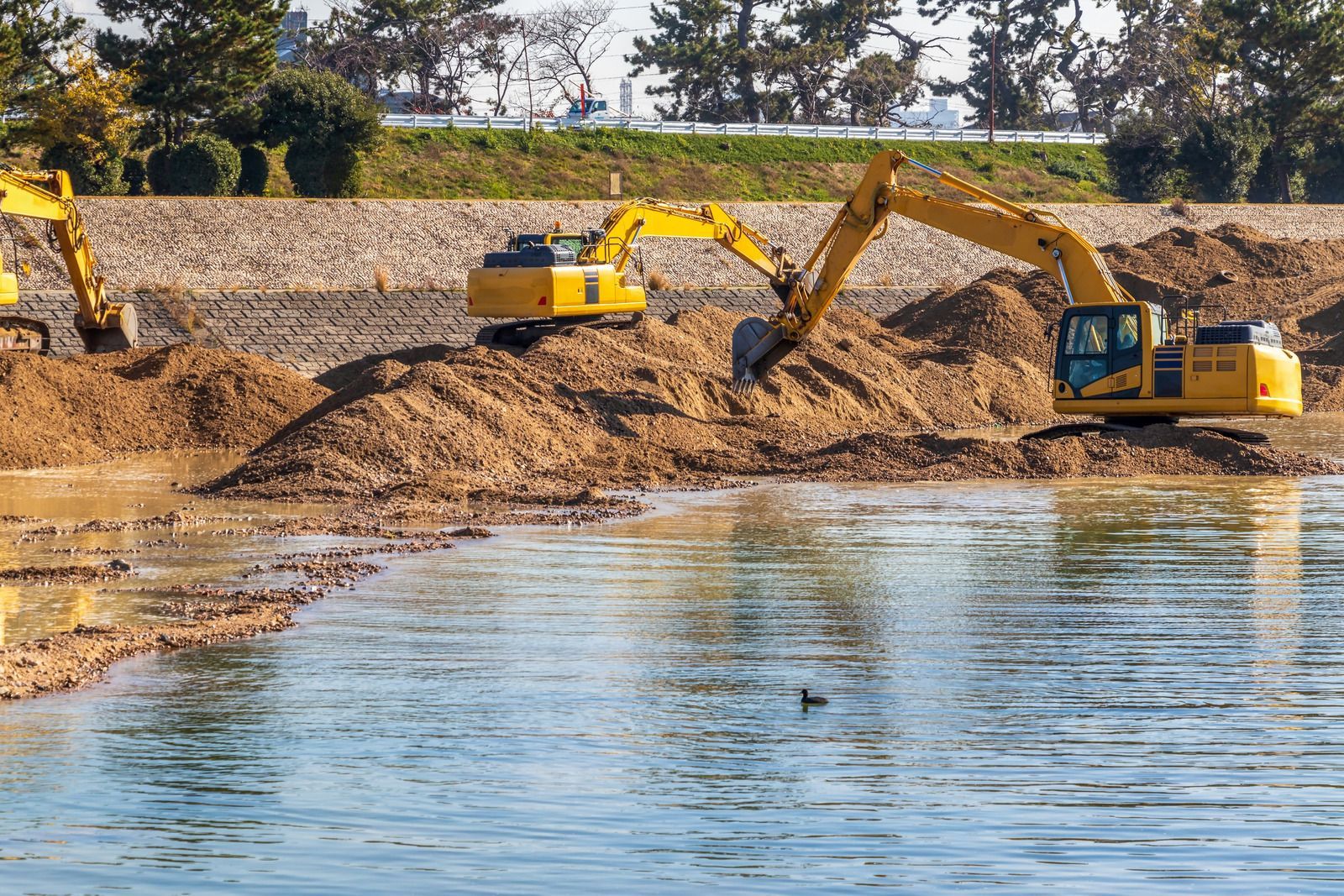
Pond and Basin Excavation
Digging stock ponds, retention basins, and infiltration areas sized to the volume they need to hold, with side slopes stable enough that the banks do not slough after the first wet season.
TIGHT ACCESS
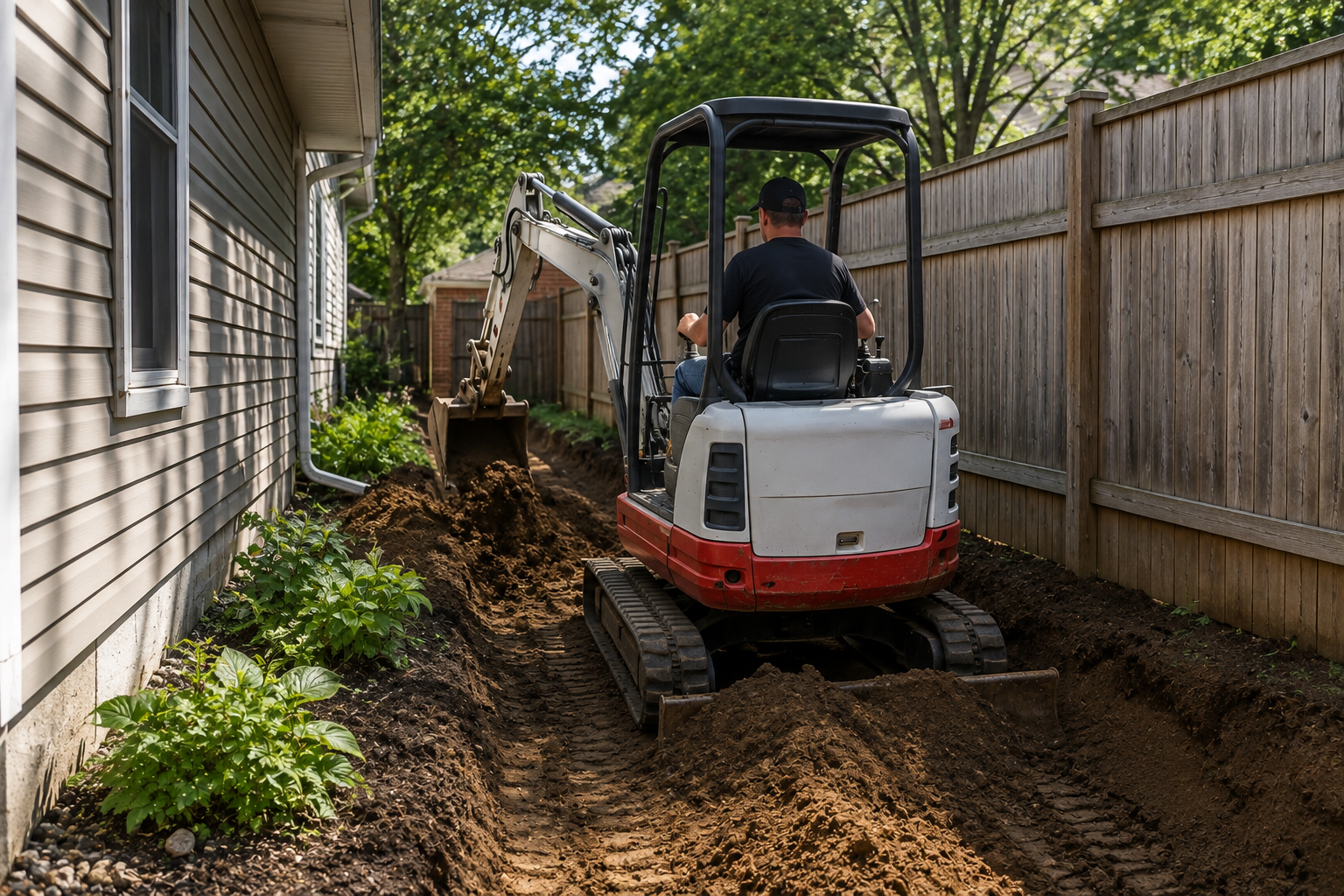
Confined and Backyard Excavation
Compact equipment for work behind a house, between structures, or inside a fenced yard, using narrow machines and planned travel routes so the finished job does not include repairing everything the machine crossed.
BACKFILL
Backfill and Compaction
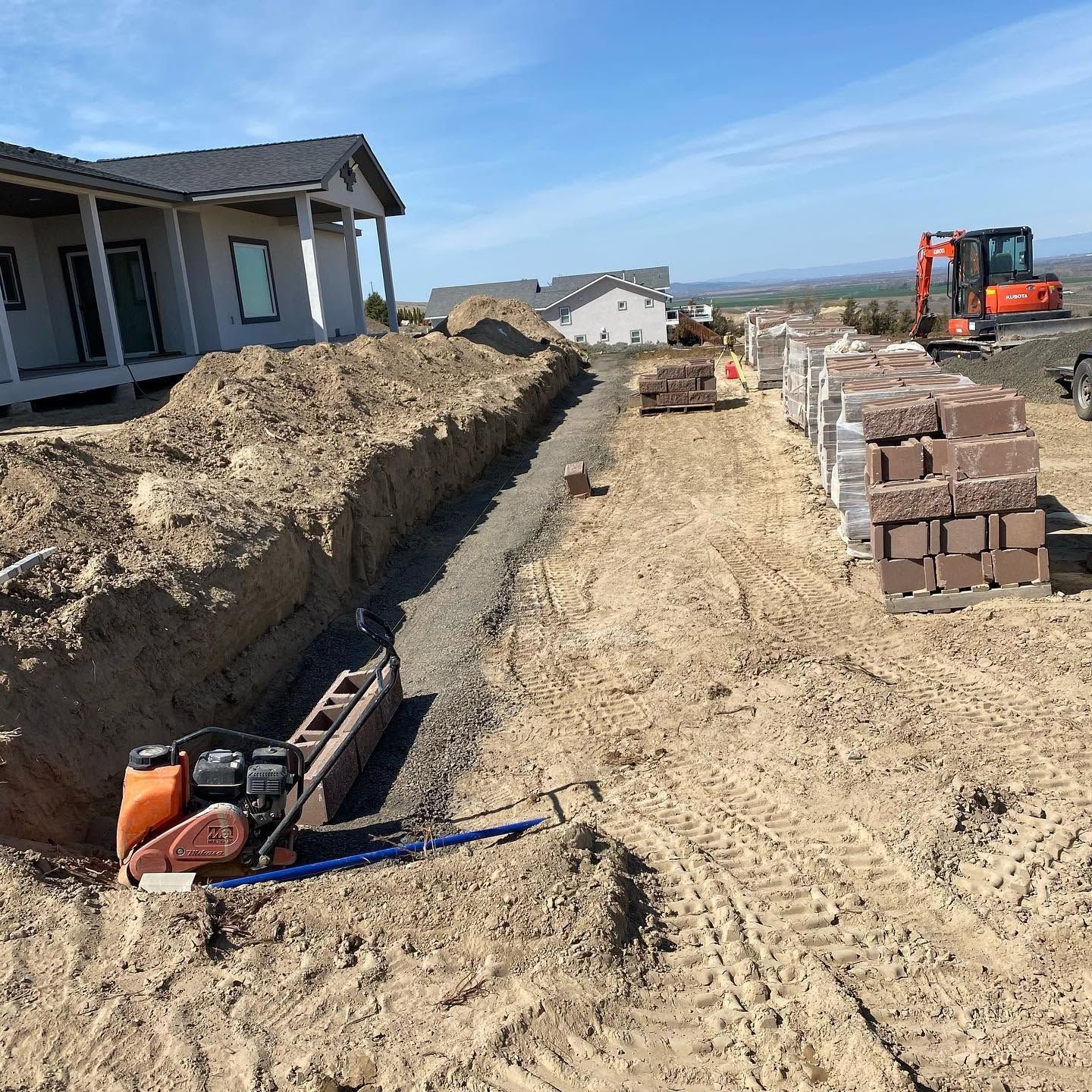
Returning material around foundations, trenches, and structures in controlled lifts with the right moisture content, tested where a project requires it, so nothing settles into a depression a year later.
➜ THE WORD ON OUR WORK
WHAT OUR CLIENTS SAY.
The reviews that mean the most are the ones from people who hired us again, or who handed our name to a neighbor without being asked. Excavation is not a repeat purchase for most property owners, so a second call says something a rating cannot.
➜ Common Questions
FREQUENTLY ASKED QUESTIONS.
Excavation questions tend to arrive in the same order: what has to happen first, how long it takes, and what the ground is likely to do. Here are the common ones.
What should happen before excavation begins on my property?
The project area should be evaluated for access, elevations, drainage, existing utilities, and how much material must be removed or brought in. Dozer Construction & Landscaping, LLC then determines what excavation, grading, and site preparation the Moses Lake, WA property needs.
How deep does an excavation have to be before it needs shoring?
Federal rules require a protective system, sloping, benching, or shielding, in any trench 5 feet deep or greater unless it is cut entirely in stable rock. Past 20 feet, an engineer must design the system before anyone enters it.
How long does a typical residential excavation take?
A trench or small pad is often 1 to 3 days. A full basement, a large pad, or a lot needing significant cut and fill runs 1 to 3 weeks, depending on material volume, site access, inspections, and weather.
Can you excavate around existing trees I want to keep?
Yes, with limits. Roots inside the drip line carry the tree, so the excavation edge is held back where possible and cuts are made cleanly rather than torn. Some trees still decline after significant disturbance close to the trunk.
What is over-excavation and when is it necessary?
It means digging deeper than the design elevation to remove weak material, then replacing it with compacted structural fill. Soft soil, buried organics, or an old fill area under a planned footing all commonly trigger the extra depth.
Do I need to be home while excavation is happening?
Not usually. Access, staging, and the scope are settled during the walkthrough, and daily updates cover anything that changes. Being on site helps on the first morning, when equipment routes and work limits get walked and confirmed together.
What happens to an excavation if work stops for weather or inspection?
Open excavation is protected: sides are sloped or shored, water is kept out, and the area is barricaded. Long delays sometimes require re-cutting a softened bottom before work resumes, which is normal after a long stretch of wet weather.
Can one contractor handle excavation, utilities, and the finished grade?
Often yes, and it removes the handoffs where problems usually hide. Dozer Construction & Landscaping, LLC runs excavation, trenching, backfill, and final grading as one scope on residential and commercial projects across Moses Lake, WA and Grant County.
➜ HOW WE WORK
FROM STAKES TO BACKFILL, HERE IS HOW.
STEP 01
WE WALK THE SITE
Access, elevations, drainage patterns, soil, and existing structures get looked at in person. What you are building, where it sits, and how equipment reaches it are settled before any number goes on paper.
STEP 02
WE PRICE THE SCOPE
You get a written estimate covering the volume to move, the material to import or haul, equipment, and duration. Anything that could change it, hardpan, groundwater, buried debris, is named up front rather than discovered.
STEP 03
WE CLEAR THE PATH
Locate tickets go in, the dig area is white-lined, permits are confirmed, and brush or obstructions in the work zone come out. Nothing gets cut until every operator has responded to the ticket.
STEP 04
WE DIG TO GRADE
Excavation follows the staked lines and elevations, with slopes or shoring set by depth and soil type. Spoil is placed clear of the edge, sorted as it comes out, and checked against the plan continuously.
STEP 05
WE BACKFILL AND COMPACT
Suitable material returns in lifts, compacted to the density the project requires, with imported structural fill where the native soil will not perform. Testing happens where an engineer or inspector calls for it.
STEP 06
WE FINISH AND CLEAN UP
Surfaces are graded to shed water, disturbed areas outside the work zone are repaired, debris leaves, and the site is handed to the next trade on your schedule at the elevations their drawings call for.
➜ GET YOUR FREE ESTIMATE
TELL US WHAT YOU NEED DUG, AND THE NUMBER IS FREE.
The excavation phase is the one where a project either gets ahead of its problems or inherits them. Give us the property location, what you are planning, and any plans or utility information you have, and we will walk the site, explain what the ground under it is likely to require, and put a written scope and price in front of you. Start on the contact page or the quote form.
WHAT YOUR EXCAVATION QUOTE COVERS:
- Volume of material to cut and fill
- Import or haul-off of every yard
- Equipment sized to your site access
- Shoring, sloping, and safety requirements
- Backfill and compaction to spec
- Cleanup and finished grade